
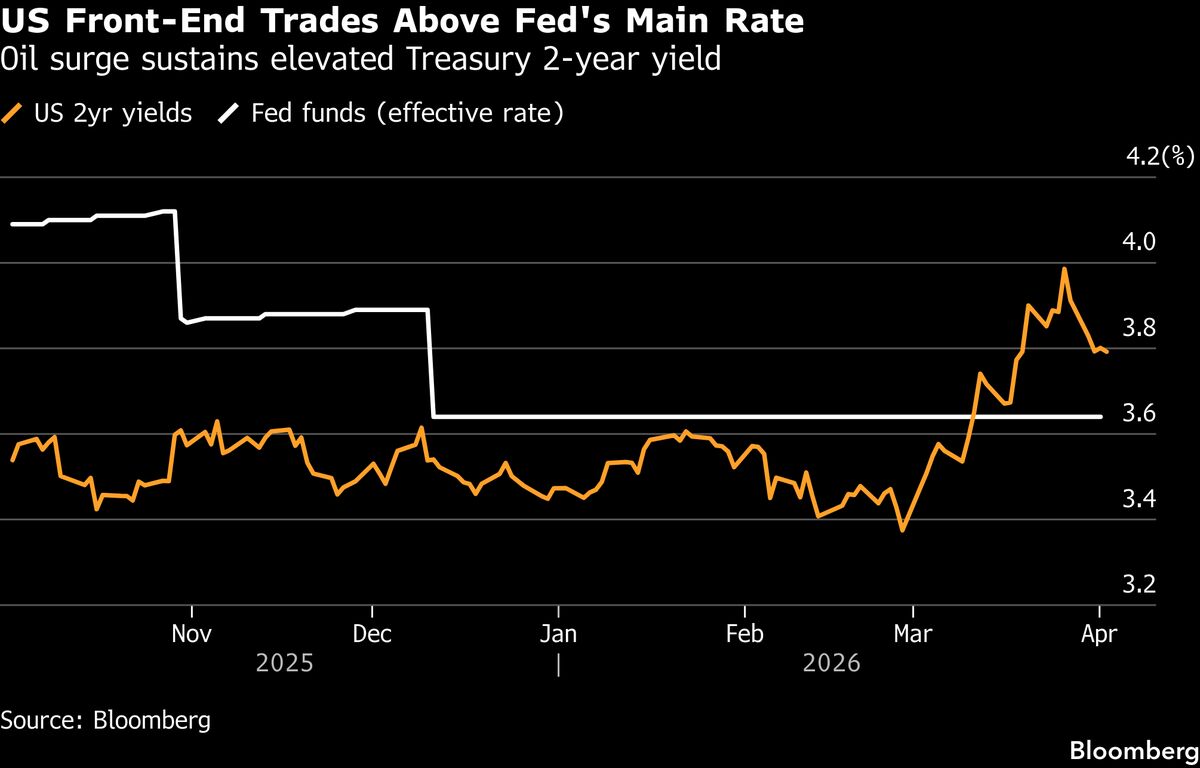
Bond traders face a delicate balancing act as they prepare for the release of pivotal U.S. jobs data, with the ongoing Iran-Israel conflict casting a shadow over economic forecasts. While markets typically focus on inflation and growth indicators, the escalating Middle East tensions have introduced unprecedented volatility, forcing traders to navigate dual risks. The interplay between domestic economic signals and global geopolitical instability creates uncertainty about the Federal Reserve's policy trajectory.
Bond traders are particularly split between two opposing forces: optimism about resilient U.S. labor markets and anxiety over potential inflationary pressures. The upcoming jobs report, a key metric for assessing economic health, could sway bond yields and influence Fed rate-cut expectations. However, the persistent threat of regional conflict complicates pricing models, as geopolitical shocks often drive safe-haven flows into Treasuries, disrupting traditional yield curves.
Market watchers note that the dual focus reflects deeper challenges in asset allocation strategies. Investors must weigh near-term economic data against long-term risks from the Iran war, which has already triggered oil price swings and supply chain concerns. This tension has led to increased hedging activity, with traders adjusting portfolios to mitigate sudden shifts in risk appetite. The Federal Reserve's response to these mixed signals will be closely scrutinized, as any policy pivot could ripple through global financial systems.
The situation underscores the fragility of current market dynamics, where domestic economic narratives and international crises intersect. While the jobs report will remain a focal point, the unresolved Middle East conflict ensures that volatility will persist. Analysts caution that prolonged uncertainty may delay decisive monetary policy actions, leaving investors in a state of cautious observation. Federal Reserve officials face mounting pressure to address these conflicting priorities, as markets demand clarity on inflation control versus economic stabilization.
Source: Bloomberg Markets · Summarized by HeadlinesBriefing