
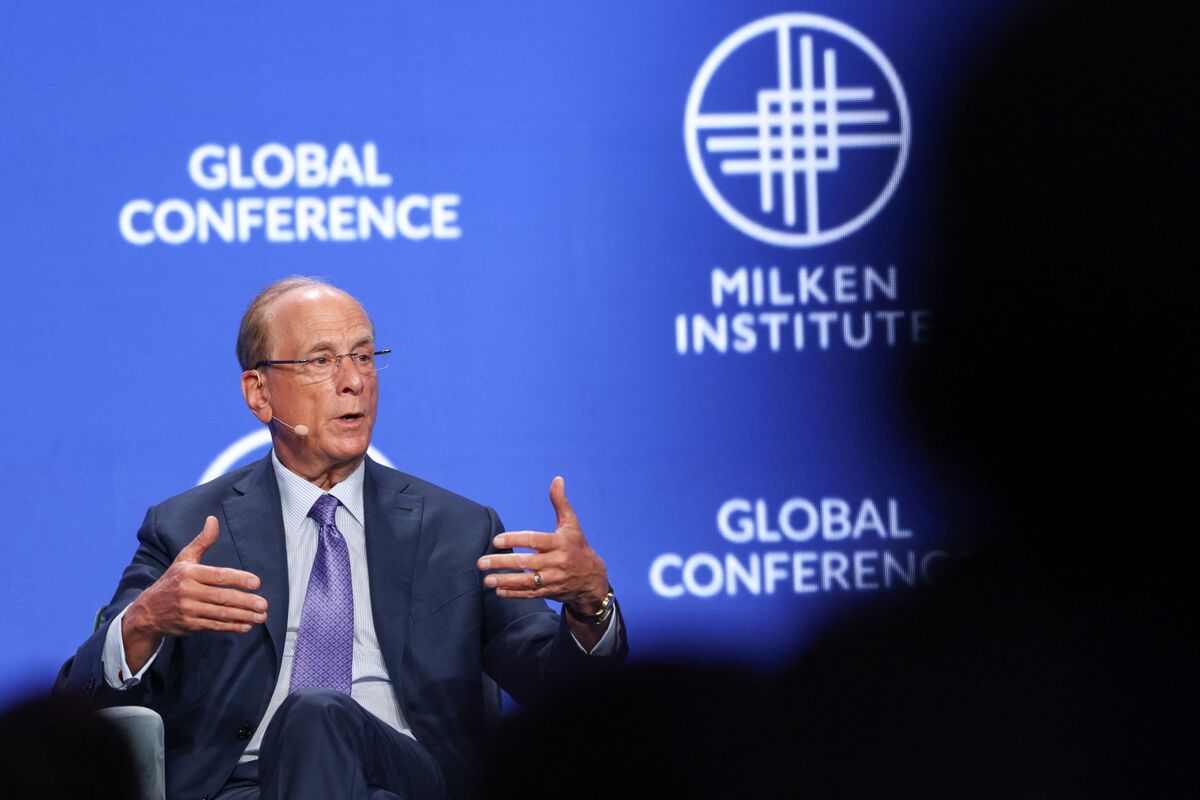
Larry Fink, CEO of BlackRock, envisions a future where traders can bet on the value of computing power through a futures market, driven by surging global demand for digital infrastructure. Speaking at a Bloomberg Markets event, Fink emphasized that the exponential growth of artificial intelligence, cloud computing, and data centers has created an urgent need for standardized financial instruments to hedge against volatility in computing resources. He compared the potential market to existing commodity futures, suggesting it could stabilize pricing for tech firms reliant on processing power. BlackRock, the world’s largest asset manager, sees this as a cornerstone of next-generation financial innovation.
The computing power futures market would allow businesses to lock in costs for essential resources like semiconductor capacity and data storage, mirroring how oil or gold futures operate. Fink noted that such a system could reduce speculation and provide clarity for tech companies planning long-term investments. He also hinted at BlackRock’s role in shaping the framework, leveraging its expertise in ETFs and institutional trading. This development could reshape how capital flows into the tech sector, aligning financial markets more closely with the digital economy’s needs.
While no launch date exists, Fink’s remarks signal growing confidence in the feasibility of such a market. He acknowledged challenges, including defining metrics for computing power and ensuring liquidity, but stressed that the demand for computational resources now rivals traditional commodities in scale. Investors and tech leaders may soon treat processing power as a tradable asset, reshaping risk management strategies.
BlackRock’s endorsement underscores the financial sector’s pivot toward digital infrastructure. If realized, the computing power futures market could democratize access to critical resources, enabling smaller firms to compete with tech giants. As Fink stated, "This isn’t just about trading—it’s about building the backbone of the next industrial revolution."
Source: Bloomberg Markets · Summarized by HeadlinesBriefing