
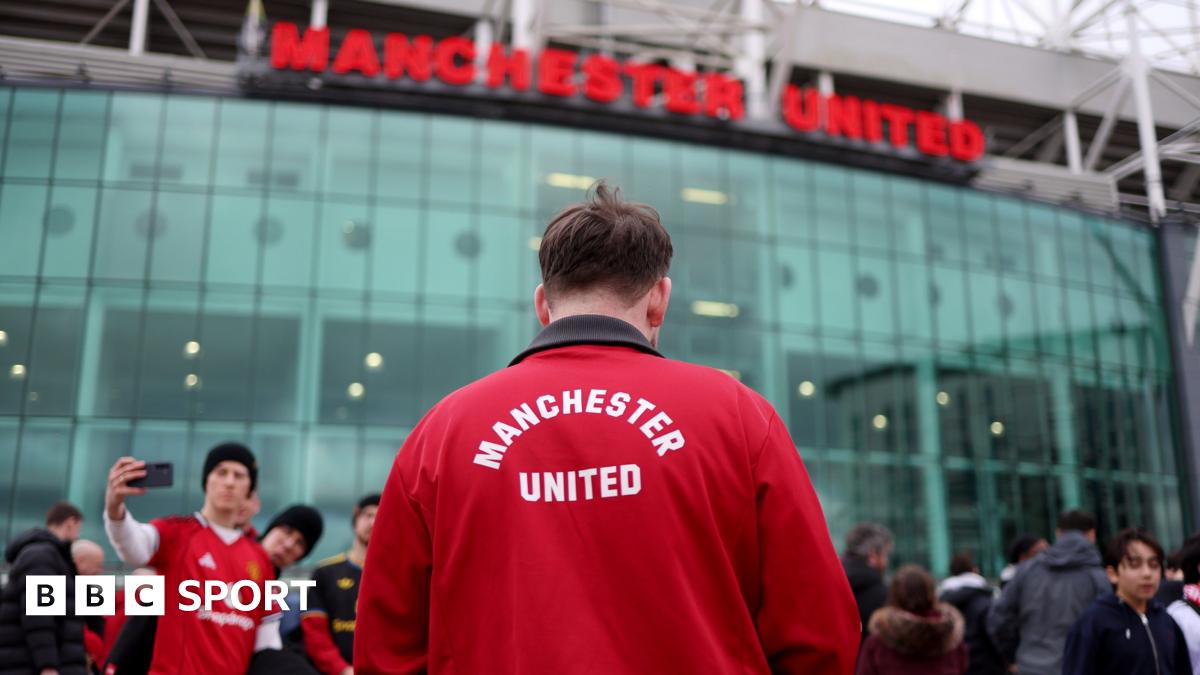
The bond between a football fan and their club often forms before childhood milestones like learning to ride a bike or tie shoelaces. This unwritten contract demands blind devotion in exchange for fleeting moments of joy and frequent heartache. For most supporters, this allegiance becomes a lifelong commitment that defines their identity and social connections.
Psychologists explain that football fandom creates deep emotional attachments that extend beyond simple entertainment. Dr Richard Simpson from Leeds Trinity University notes that fans develop multiple levels of connection to their team, community, and shared experiences. Social media profiles often feature club affiliations prominently, demonstrating how team loyalty becomes intertwined with personal identity. The financial investment through tickets and merchandise creates a sense of ownership in the club's successes and failures.
Yet the question remains: can you ever truly stop supporting your football team? The answer appears to be yes, though it's exceptionally rare. Manchester United fan Steve provides a unique case study, having supported the club for nearly five decades before walking away after their 2017 Europa League victory. His decision wasn't driven by poor performance but by a sense of completion - having witnessed every major trophy, he felt no need to continue. Steve describes feeling liberated after making the break, though he misses the social connections formed over decades of match attendance.
For the vast majority of football fans, their longest relationship will be with their club. The emotional investment, social bonds, and sense of identity make breaking this connection extraordinarily difficult, if not impossible.
Source: BBC Sport Football · Summarized by HeadlinesBriefing