
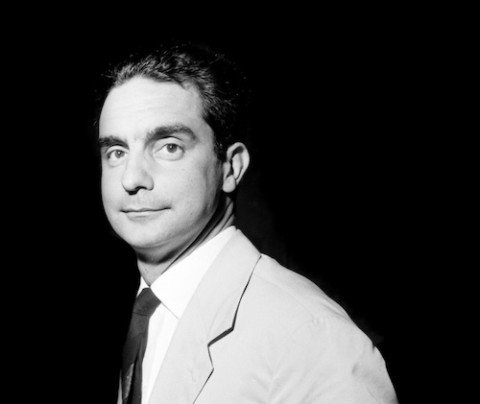
En Si una noche de invierno un viajero, Calvino convierte la experiencia de lectura en un laberinto de páginas mal impresas y libros intercambiados, reflejando la propia desorientación del escritor tras años de convulsiones políticas. La novela obliga a los lectores a enfrentarse a un mundo donde la certeza se evapora, resonando con las ansiedades de la Guerra Fría que hicieron que el pasado pareciera frágil e inestable.
Obras tempranas como El camino a los nidos de araña revelan a un joven Calvino luchando con ideas marxistas de progreso mientras sirve en la Resistencia italiana. Representa a partisanos y fascistas como igualmente improvisados, impulsados por venganzas personales más que por una gran ideología, sugiriendo que la historia surge de motivos accidentales más que de una lucha de clases sistemática.
La colección de 1960 Nuestros antepasados marca una ruptura decisiva: los escenarios históricos se convierten en arenas de fábula donde los símbolos sustituyen a las narrativas lineales. Tras la invasión húngara de 1956 y los posteriores experimentos de Oulipo en París, Calvino concluyó que el lenguaje y la percepción son inestables, dejándolo con una visión del pasado como confusión perpetua en lugar de una historia coherente.
Entidades clave: Personas: Italo Calvino
Fuente: Hacker News · Resumido por HeadlinesBriefing