
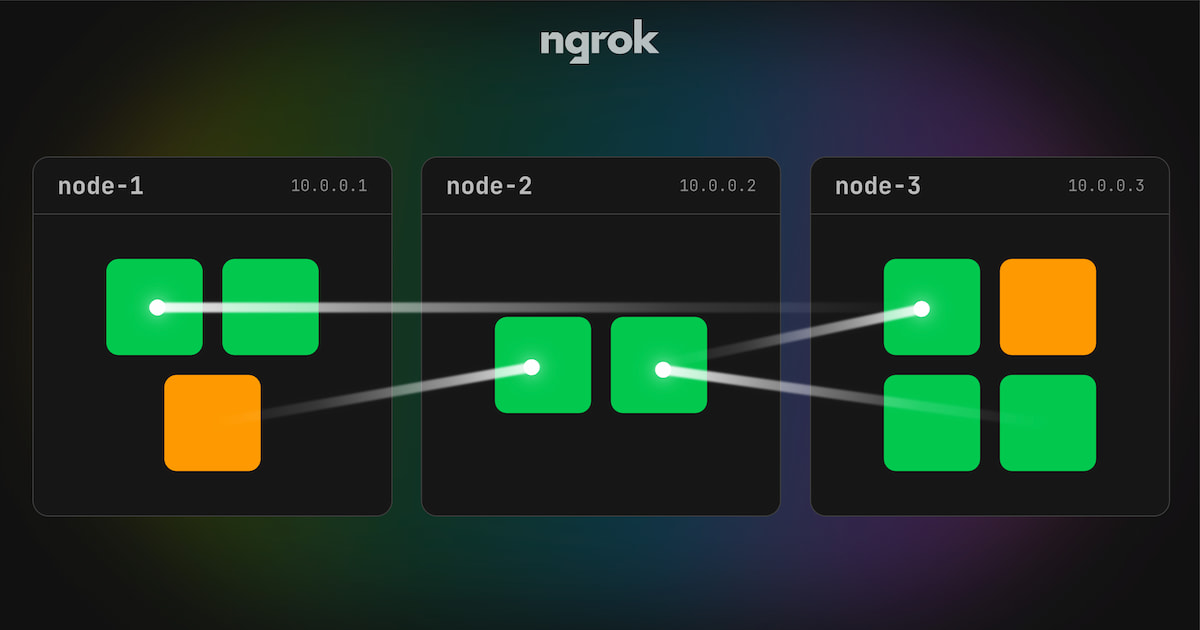
A developer released webernetes last week, a TypeScript port that runs Kubernetes clusters directly in web browsers. The project generated 100,000 lines of code across 552 commits in just two months, implementing core Kubernetes functionality like pod lifecycles, cluster DNS, networking, and Deployment tracking without requiring any server infrastructure.
Unlike approaches that compile Kubernetes to WebAssembly, webernetes rebuilds components natively for the browser. The author explains that a simple Go program compiles to ~540KB gzipped WebAssembly, already exceeding webernetes' total size of ~140KB gzipped. This architectural choice enables interactive demonstrations while avoiding system-level API dependencies that block traditional compilation.
The implementation includes a browser-based container runtime, CNI networking, and APIs for deploying manifests. Users define container images through a TypeScript API rather than pulling from Docker Hub registries. While not production-ready, webernetes targets educational content creation, letting developers illustrate Kubernetes concepts through live, interactive examples that run entirely client-side.
Notably, the codebase emerged from LLM-assisted development with extensive human review. The author created hundreds of tests comparing webernetes behavior against real Kubernetes clusters, addressing common AI porting issues like shortcuts, invented helpers, and missing test cases. This hybrid approach demonstrates how developers can leverage AI tools while maintaining code quality through rigorous validation.
Source: Hacker News · Summarized by HeadlinesBriefing