
Vibe coding, the mass production of complex AI-generated code often hidden from human scrutiny, is creating significant problems in tech. Executives push layoffs citing AI's capabilities, while managers pressure employees to meet AI-generated code quotas, risking poor performance reviews. Developers feel pressured to appear as '10x' contributors, and students question the value of studying computer science.
The author, working at an AI company, uses AI cautiously but observes its pitfalls. Armin Ronacher's experience exemplifies this: he spent months prompting Claude, building tools he rarely used, describing it as 'agent psychosis' – a state of addictive, unproductive effort. This phenomenon mirrors 'dark flow', a concept from psychologist Mihaly Csikszentmihalyi's work on flow states.
While true flow involves clear skill-challenge alignment and feedback, gambling's 'Loss Disguised as a Win' (LDW) creates a false sense of achievement. Similarly, vibe coding provides misleading productivity signals, obscuring poor code quality and hidden bugs. Developers often overestimate their speed, believing AI helps when it actually slows them down.
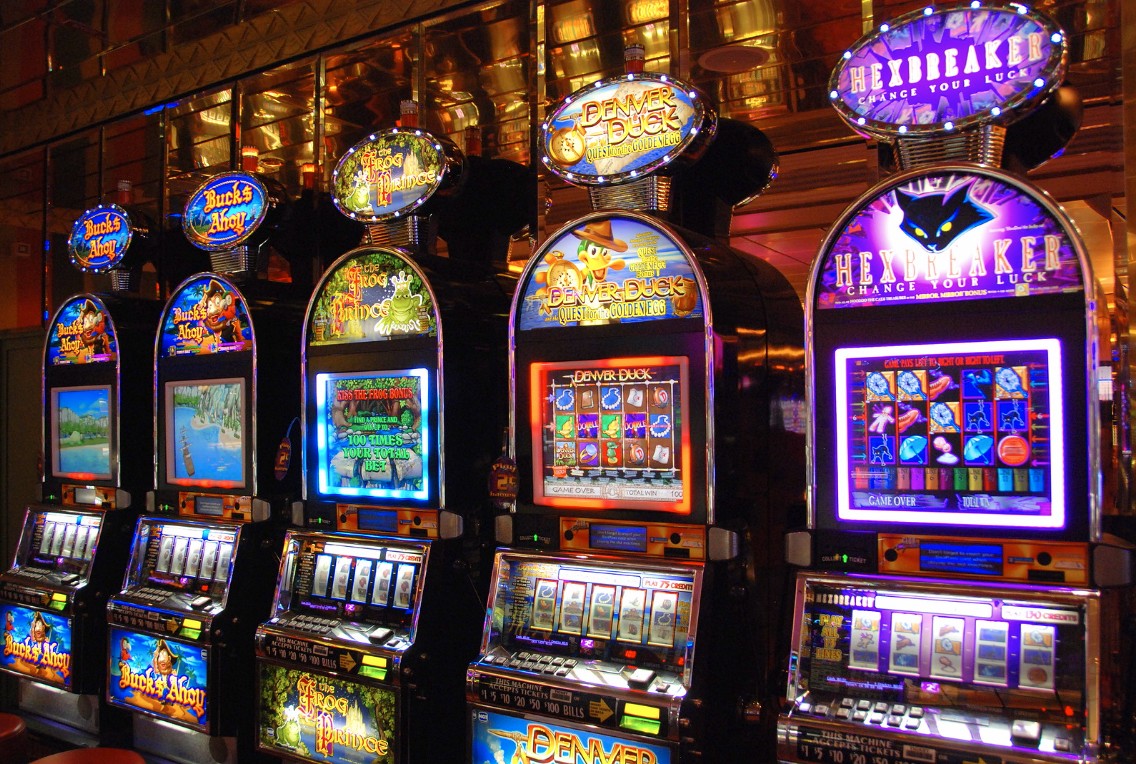
Vibe coding fosters a false sense of agency and control, engineered to maximize engagement, much like slot machines. The result is 'junk flow' – addictive, non-growth-producing work that distorts reality and hinders genuine productivity.
Source: Hacker News: Front Page · Summarized by HeadlinesBriefing