
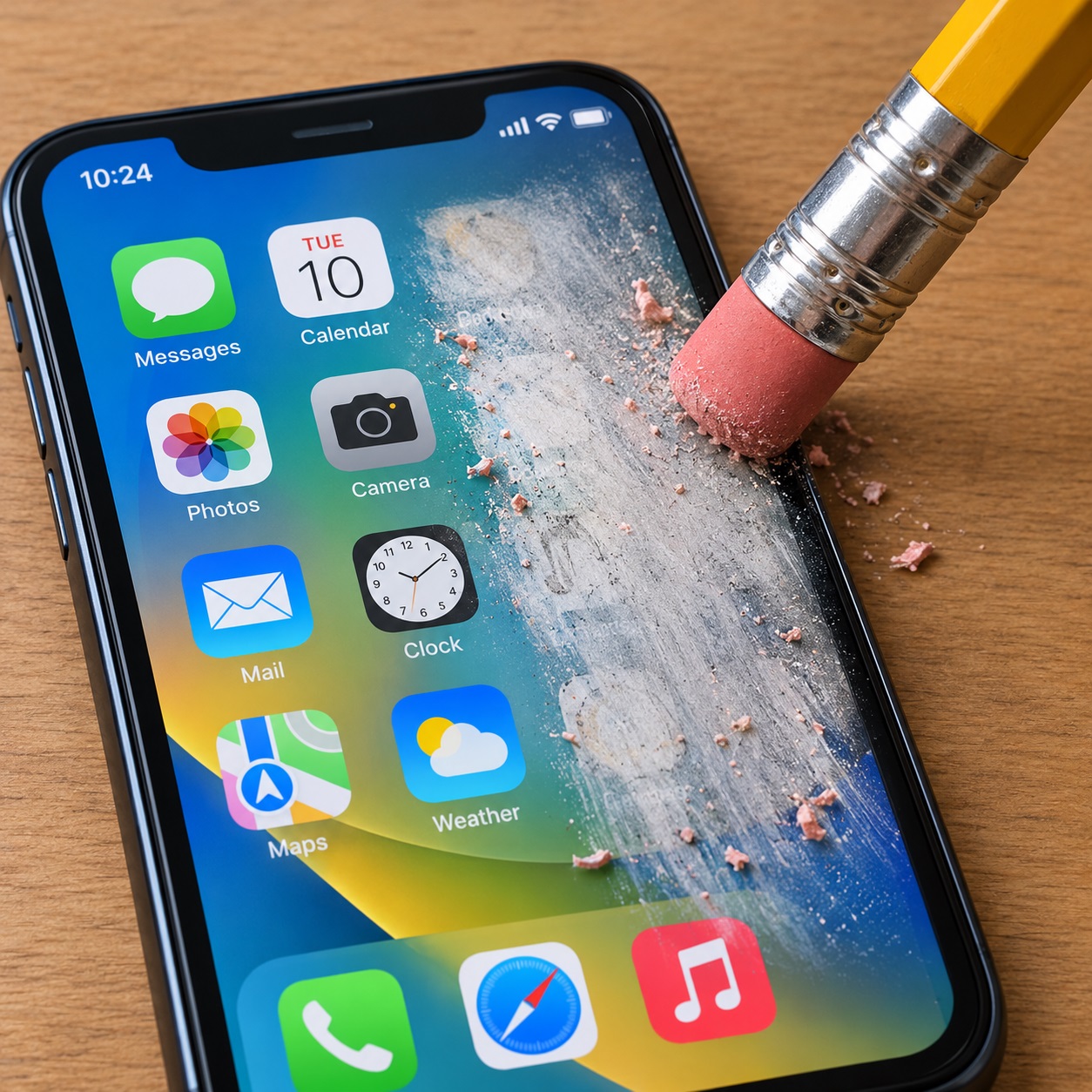
U.S. v. Stathas addresses whether police may wipe a defendant's cellphone before returning it after sentencing. Stathas pleaded guilty in 2023 to enticing a minor, receiving 180 months in prison and 10 years supervised release.
Police seized his cellphone during the investigation. Under 18 U.S.C. § 2428(a)(1), the judge should have ordered forfeiture of property used to facilitate the crime, including the phone. However, the police agreed to return the device after wiping it, citing obscene conversations and the victim's identifying information.
Stathas argued other data should be preserved for his potential civil lawsuit against the West Bend Police Department. The Seventh Circuit ruled the government's retention and destruction of the data is reasonable under the circumstances. The district court's finding that the phone contained numerous sexually explicit messages and significant personally identifying information about the victim was not clear error.
The record shows conversations occurred over multiple apps and Stathas received explicit photos of the minor. The court credited the government's assertion that no procedure short of digitally wiping the phone would eliminate all harmful material. Given the government's interest in ensuring the material does not remain on the device, the district court did not abuse its discretion in concluding deletion was permissible.
The ruling highlights the tension between government interests and a defendant's personal data, noting a wipe could extinguish legal claims if the phone contained evidence necessary for litigation against law enforcement.
Source: Hacker News · Summarized by HeadlinesBriefing