
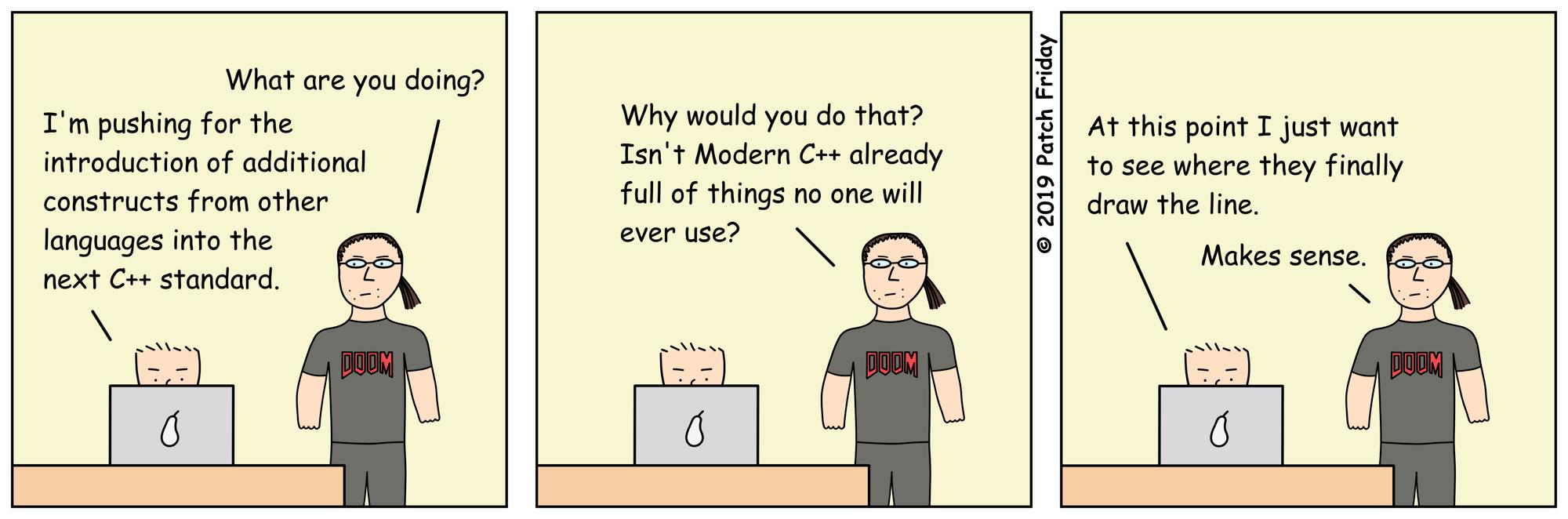
Orthodox C++ is a minimal subset of the language that deliberately avoids features labeled modern, such as RTTI, exceptions, streams, and most STL allocations and avoids templates that require dynamic allocation. Its goal is to keep code simple, portable to older compilers, and easier for developers familiar with C. The style mirrors early‑90s C++ usage, favoring raw headers like <stdio.h> and printf for output.
Proponents argue that this orthodoxy yields clearer codebases and fewer hidden runtime costs. Exception handling, for example, injects hidden instructions at every object construction and hampers optimizer freedom, while RTTI adds type‑information bloat. By sticking to C‑style error returns and avoiding modules, projects sidestep portability headaches and complex build setups, a concern highlighted in 2025 committee update permitting C++20 features until the ecosystem catches up.
The approach resonates with embedded and game‑dev teams that prioritize deterministic memory use and fast compilation. Open‑source examples such as Doom 3 BFG, bgfx, and TheForge adopt the no‑RTTI, no‑exception rule, demonstrating that sizable engines can thrive without modern conveniences. Orthodox C++ therefore remains a pragmatic alternative for projects that value stability over bleeding‑edge language tricks.
Source: Hacker News · Summarized by HeadlinesBriefing