
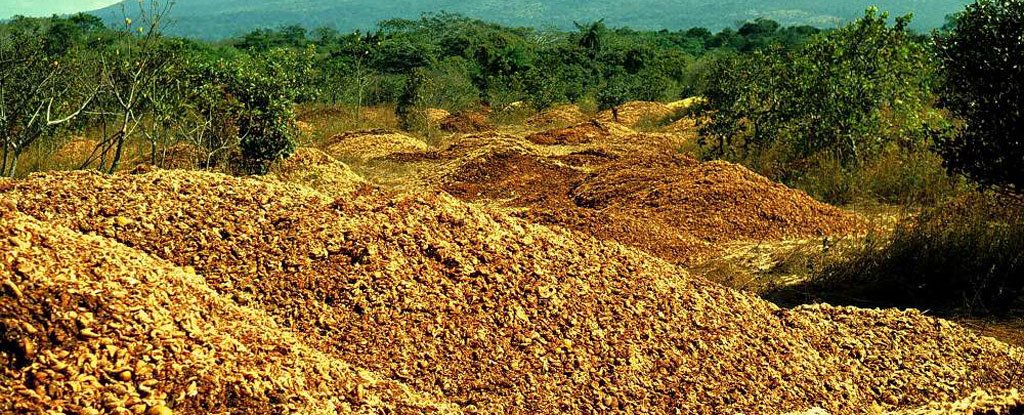
In the mid-1990s, an experimental conservation project in Costa Rica took an unexpected turn when Del Oro, a local orange juice manufacturer, dumped 12,000 tonnes of orange peel waste on a barren pasture. The plan, conceived by Princeton researchers Daniel Janzen and Winnie Hallwachs, aimed to revitalize degraded land by using nutrient-rich organic waste as natural compost.
The project began promisingly, with the orange peels transforming into nutrient-rich soil within months. However, after just two years, TicoFruit sued Del Oro, claiming the company had "defiled a national park." Costa Rica's Supreme Court sided with the rival juice manufacturer, forcing the project to end prematurely. The site was largely forgotten for 15 years until Princeton ecologist Timothy Treuer rediscovered it in 2013.
When Treuer's team compared the orange peel-treated site to a nearby control area, they found remarkable results: richer soil, 176 percent more tree biomass, and greater species diversity. A massive fig tree now stands as testament to the project's success. While the exact mechanisms remain unclear, researchers believe the orange peels suppressed invasive grass while rejuvenating the soil. This accidental experiment demonstrates how agricultural waste can restore degraded ecosystems while sequestering carbon, offering a potential model for future conservation efforts.
Source: Hacker News · Summarized by HeadlinesBriefing