
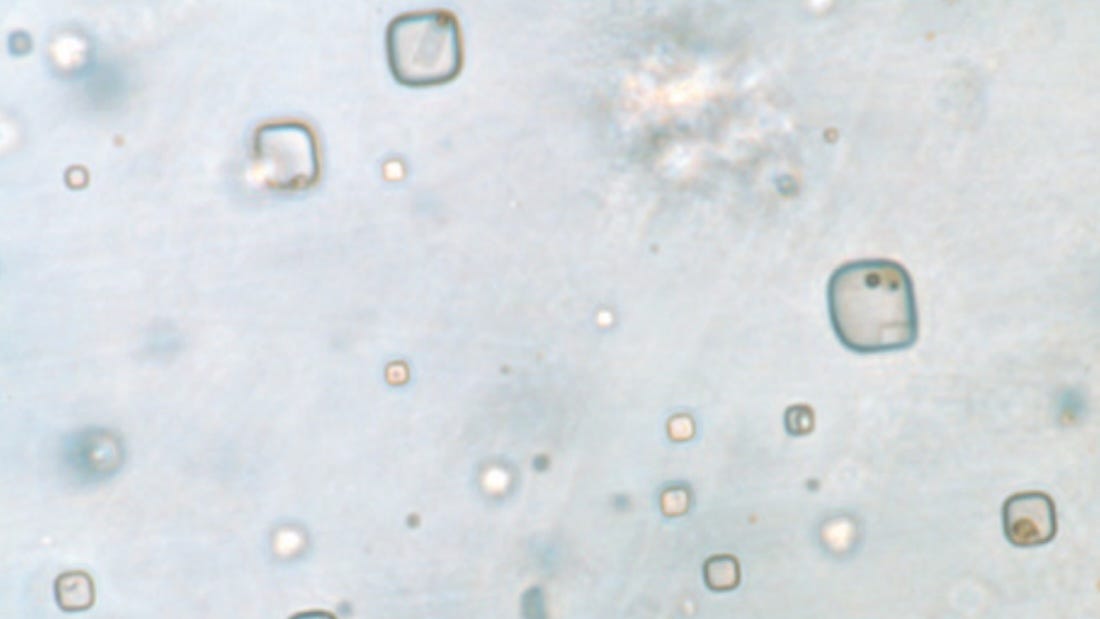
How long can an organism remain inert and still be viable when conditions improve? The answer shapes contamination risk for space probes, the spread of life across the early Solar System, and the odds of finding organisms on asteroids and Mars.
Rockets launch "absolutely oozing life," so engineers must know whether harsh space conditions sterilize spacecraft or whether they must sterilize them directly. The uncontested killer is UV light, which disrupts DNA after just seconds of exposure. Yet dust, crevices, or even fallen microbes can shield survivors a layer or two down.
In the Tanpopo experiment, Japanese scientists hung bacteria-covered plates outside the International Space Station beginning in 2015. After three years, Deinococcus radiodurans colonies were not only revivable but in better shape than indoor controls. A 1 mm pellet might endure 2-8 years of direct exposure, and potentially decades if shielded from sunlight.
The microbe excels at repairing DNA using antioxidants that protect repair enzymes. The findings imply Earth microbes may already vegetate under Martian lander carapaces, and they support NASA’s policy of crashing deep-space probes into Jupiter and Saturn instead of leaving them in uncontrolled orbits.
Source: Hacker News · Summarized by HeadlinesBriefing