
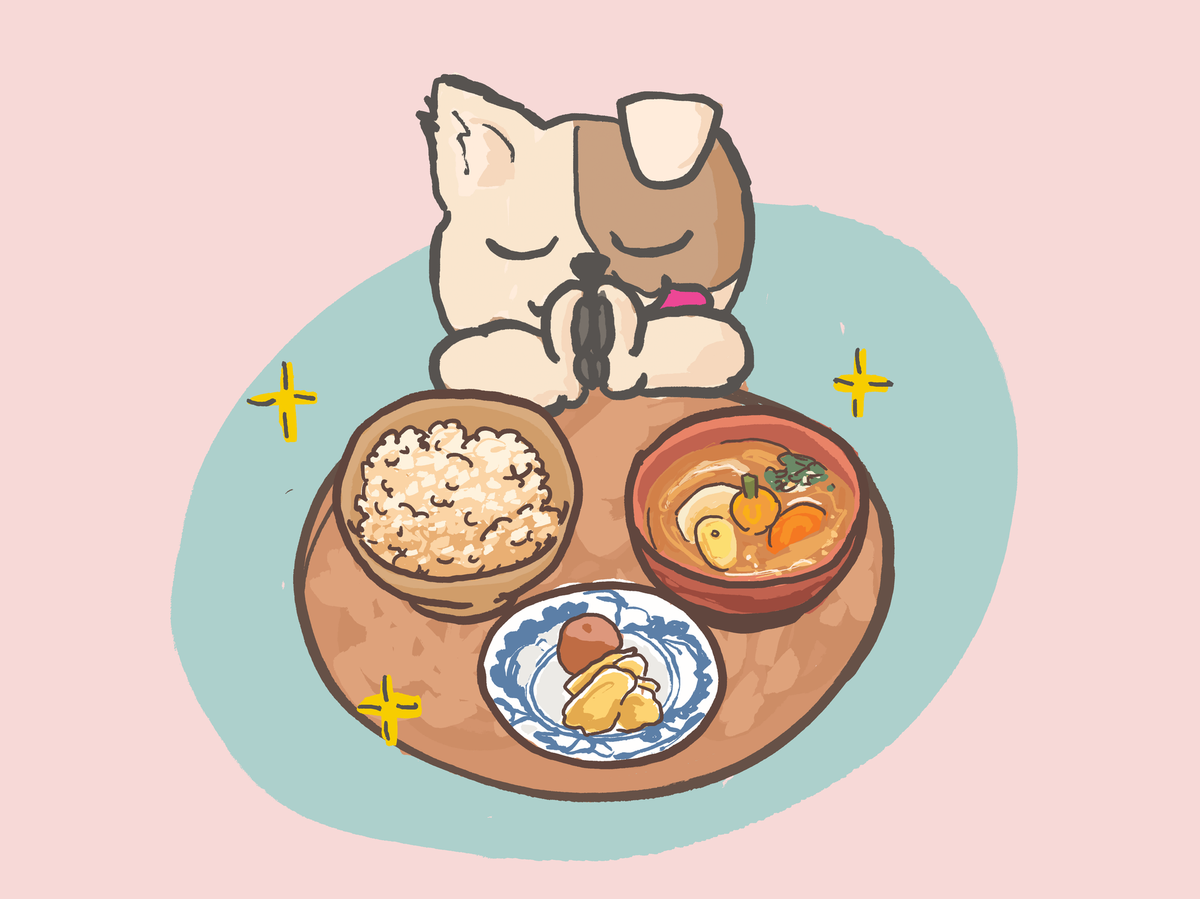
Life in the AI era demands constant adaptation, but Takuya offers a counterintuitive solution rooted in Japanese tradition. His exploration of Yoshiharu Doi's book *The Proposal for One Soup, One Dish* (一汁一菜でよいという提案) reveals how simplicity combats digital overwhelm. Doi's philosophy centers on creating daily rituals - like preparing a single soup and side dish - to anchor mental well-being amid technological chaos. This approach rejects algorithmic stimulation in favor of organic, unprocessed experiences that nourish resilience.
The core insight lies in intentional simplicity. Where modern platforms optimize for instant engagement, Doi champions meals requiring minimal human intervention yet maximum comfort. Rice boiled simply, miso fermented naturally, and pickles preserved traditionally become metaphors for rejecting 'perfected' digital experiences. These staples never tire because they lack engineered stimulation - much like how nature's enduring beauty requires no algorithmic enhancement. For developers drowning in AI tools, this translates to prioritizing unscripted human connections over optimized workflows.
Critically, Doi's framework extends beyond meals. He advocates for daily practices that create 'heart's places' - screen-free anchors like morning walks or instrument practice. These rituals resist comparison culture by focusing on personal joy rather than external validation. The absence of processed flavors in cooking mirrors the need to avoid algorithmically curated content that drains mental energy. By embracing these deliberate pauses, individuals rebuild capacity for creative work without burnout.
This philosophy resonates with software professionals facing relentless AI advancements. Where others chase 'game-changing' tools, Doi's approach emphasizes cultivating what remains eternally comforting - human connection and unprocessed experiences. The lesson? In a world of constant technological change, building mental moats through daily simplicity proves more sustainable than technical fortifications. As Doi demonstrates, sometimes the most powerful solutions lie in what we choose not to do.