
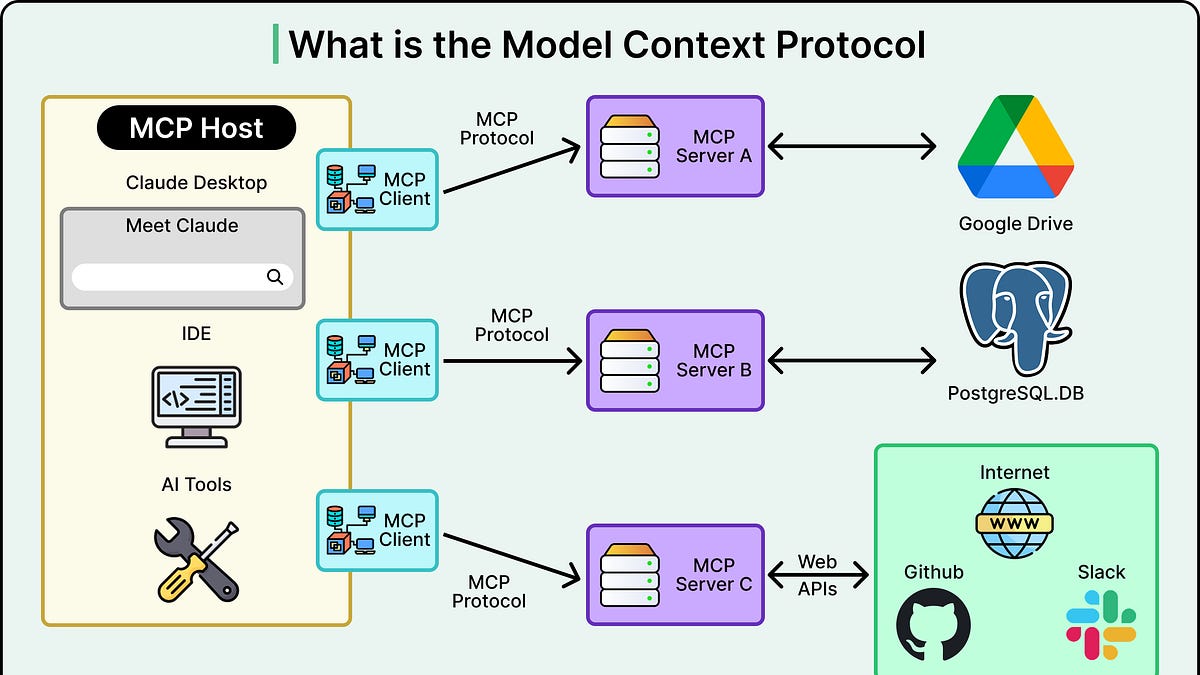
Pinterest engineers tackled the chaos of linking AI agents to internal tools by adopting the Model Context Protocol (MCP). The protocol unites disparate surfaces—chat, IDE, CLI—into a single client‑server language, slashing custom integrations from fifty to fifteen. By centralizing authentication and observability, the team eliminated repeated plumbing across dozens of tools in production environments daily operations today.
Pinterest split MCP servers into domain‑specific modules: a Presto server for data queries, a Spark server for job debugging, and a Knowledge server for documentation. This choice kept tool catalogs small, met differing access controls, and avoided cluttering the AI model’s context window. Each server lives in the cloud, easing consistent security and logging for.
To remove deployment friction, Pinterest built a unified pipeline that handles scaling, service configuration, and monitoring automatically. Teams now register tool definitions, and the platform provisions servers overnight, turning a multi‑day setup into a few hours of business logic coding. The central MCP registry tracks ownership, status, and authorization, serving as the ecosystem’s governance backbone.
By embedding MCP in its cloud stack, Pinterest eliminated the N×M integration headache, tightened security with a two‑layer authorization model, and empowered engineers to focus on solving real problems instead of wiring OAuth flows. The result is a production‑grade AI ecosystem that scales with new surfaces and tools without multiplying maintenance overhead for the future.
Source: ByteByteGo · Summarized by HeadlinesBriefing