
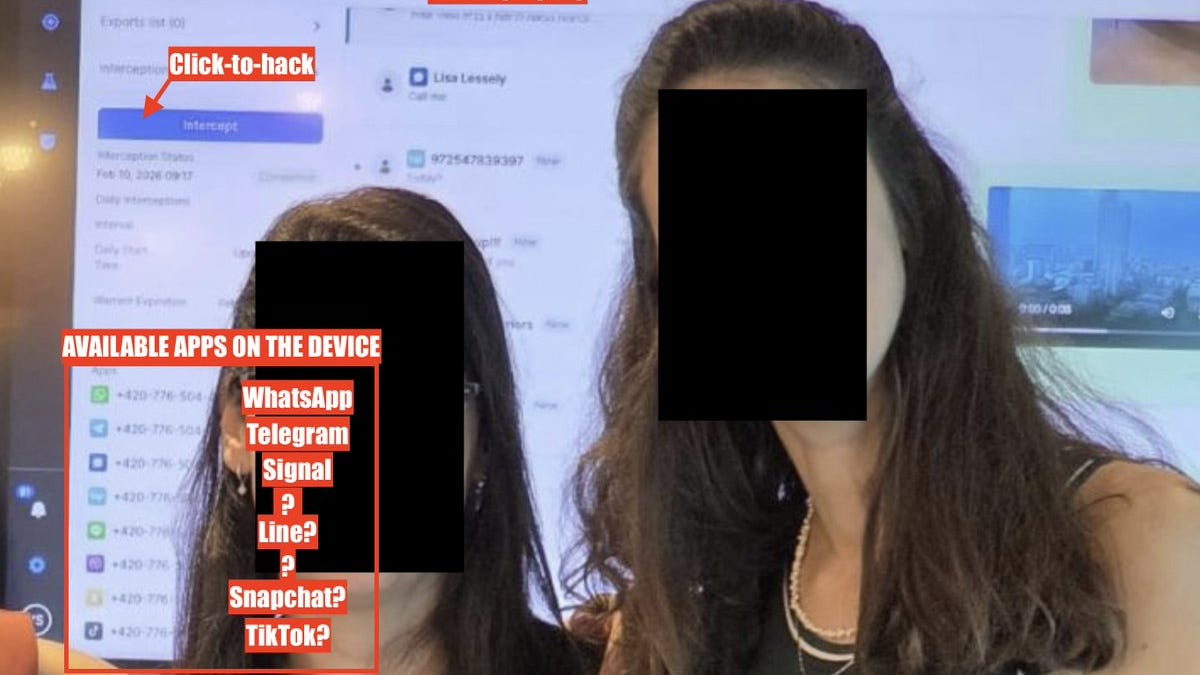
Israeli spyware firm Paragon Solutions accidentally revealed its Graphite surveillance interface on LinkedIn, exposing capabilities to intercept encrypted communications, access device microphones/cameras, and harvest app data from targets globally. The $900 million acquisition by U.S. firm AE Industrial Partners underscores investor interest in mercenary spyware, with former PM Ehud Barak earning $10-15 million from the deal. Researchers at Citizen Lab called the breach an epic OPSEC fail, noting Paragon’s “ethical” claims dissolve once devices are compromised via zero-click exploits.
Graphite’s architecture allows stealthy access to encrypted apps like WhatsApp, Telegram, and Signal, bypassing end-to-end encryption protections. Unlike mass-market malware, these tools deploy precision intrusions for state clients, leveraging former Israeli intelligence expertise. The exposure highlights how surveillance capitalism repackages state-developed tools for profit, with Paragon’s founders including Unit 8200 veterans who helped architect Israel’s occupation surveillance infrastructure.
The leak coincides with Meta’s 2025 disclosure that Paragon-linked spyware targeted 90 WhatsApp users, including journalists. Citizen Lab emphasized that device compromise negates encryption safeguards, enabling full digital life access. Paragon’s “light-touch” marketing contrasts with technical reality: once installed, operators control everything from messages to location data. This mirrors Pegasus spyware’s global licensing to 45+ governments, including EU states.
Paragon’s exposure reveals a troubling ecosystem where surveillance capitalism thrives on political connections and technical prowess. Tools developed to control Palestinians in occupied territories now monitor immigrants in the U.S. and dissidents worldwide. The incident forces questions about corporate accountability in an industry built on secrecy, where operational security blunders briefly illuminate the machinery behind digital repression.
Source: Hacker News: Front Page · Summarized by HeadlinesBriefing