
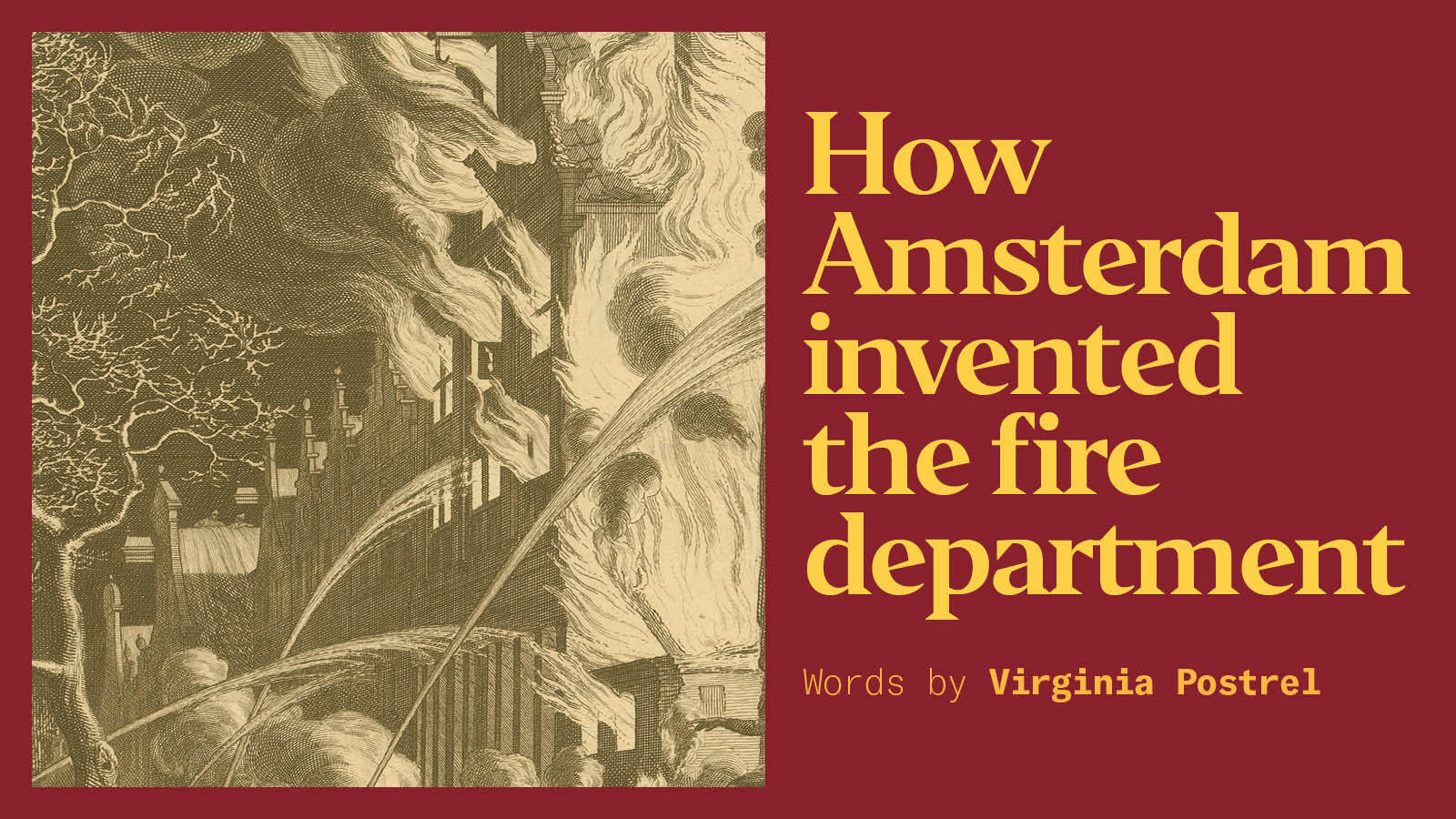
In the 1600s Amsterdam, the era’s richest city, struggled with fires sparked by curtains, wooden furniture and vats of pitch, tar and turpentine. Historian David Garrioch notes that dense factories and shipyards amplified the danger. The city responded by purchasing dozens of large water‑pumping engines from Nuremberg inventor Hans Hautsch, fielding about 60 units, ladders, hooks and 28,000 leather buckets by 1670.
Despite ample canals, early engines could not deliver water to roofs. A 1669 sugar‑refinery blaze on the Laurier Canal burned the building and cost an estimated 195,000 guilders, roughly $20 million today. Two years later, a freezing‑cold fire at cartographer Joan Blaeu’s printing house destroyed plates worth 355,000 guilders, crippling the world’s largest publisher. The disaster underscored bucket‑brigade limits and spurred officials to demand better technology.
Inventor‑artist Jan van der Heyden documented a breakthrough: the Van Heyden brothers added a suction hose, a flexible leather “snake” and an air chamber to create continuous high‑pressure flow. Retrofitting began in November 1672, and a January fire at a military‑supply depot proved the new engine’s superiority, allowing firefighters to reach interior hotspots and contain the blaze. The upgrade cemented Amsterdam’s reputation as Europe’s best‑equipped fire‑fighting city.
Source: Hacker News · Summarized by HeadlinesBriefing