
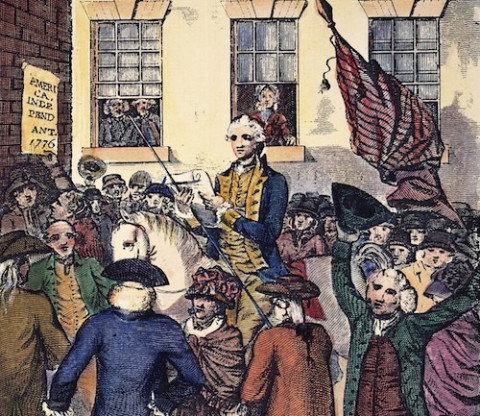
On July 4 1776 the Continental Congress tasked Irish‑born printer John Dunlap with producing the first copies of the Declaration of Independence. Dunlap’s press worked through the night and churned out roughly 200 sheets, which couriers carried from Boston to Savannah. Though modest in size, the pamphlet sparked a transatlantic debate that still echoes two centuries later. The broad distribution seeded revolutionary sentiment across the colonies.
British readers responded with scorn. Loyalist governor Thomas Hutchinson denounced the document as a “most infamous paper” on August 10 and released a rebuttal pamphlet on October 15 that quickly faded. London’s major newspapers reproduced the Declaration, yet writers in the Morning Post, Morning Chronicle and Scots Magazine mocked its claims of life, liberty and happiness, showing little appetite for Congress’s arguments.
The British ministry avoided official comment, instead hiring obscure lawyer‑propagandist John Lind to draft a covert “Counter‑Declaration.” Lind, a former chaplain in Constantinople and confidant of Poland’s last king, collaborated with a young Jeremy Bentham to dismantle the Declaration’s second paragraph. The manuscript, long unseen, emerged only in July 2026, revealing the depth of the empire’s printed counter‑offensive.
Source: Hacker News · Summarized by HeadlinesBriefing