
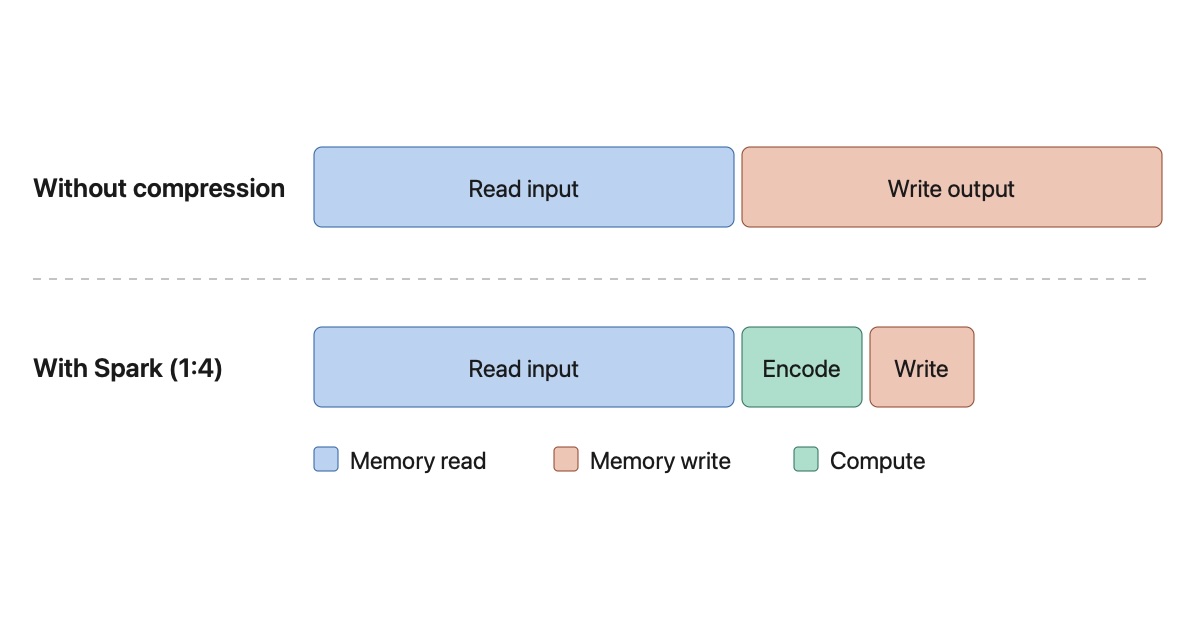
ATI and NVIDIA collaborated to standardize BC6/BC7 formats in Direct3D 11, addressing years of slow adoption cycles for hardware image compression. These formats emerged after Crysis became the first major game to adopt BC5 textures in 2007, forcing developers to wait decades for hardware requirements to align. Real-time compression tools like Spark now bypass traditional bottlenecks by enabling dynamic driver-based compression, eliminating the need for pre-compressed assets.
Apple's Metal framework introduced lossy texture compression in the A15/M2 chipsets, achieving a 1:2 compression ratio with minimal API changes. Tests show R-format textures compressed via Metal Lossy outperform EAC codecs but lag behind BC4 standards. For RGBA8, BC7 and ASTC still dominate, though Metal's simplicity—just setting `MTLTextureCompressionTypeLossy`—makes it appealing despite lower quality.
Vulkan's VK_EXT_image_compression_control extension offers similar flexibility, allowing applications to request fixed-rate compression. However, only Arm and Imagination GPUs fully support it, with AMD and Qualcomm implementations limited to diagnostic use cases. Performance tests on an M4 Pro reveal Metal Lossy matches uncompressed blits in throughput for large textures, while Spark codecs suffer overhead from intermediate buffer copies.
The block-based encoding of modern formats (8×4 blocks) mirrors legacy ETC/EAC designs but with updated efficiency. Reverse-engineered details suggest Apple's Metal Lossy adds metadata overhead, slightly inflating memory use. As real-time compression matures, developer workflows may shift toward hardware-accelerated solutions, reducing reliance on pre-processing pipelines.
Source: Hacker News · Summarized by HeadlinesBriefing