
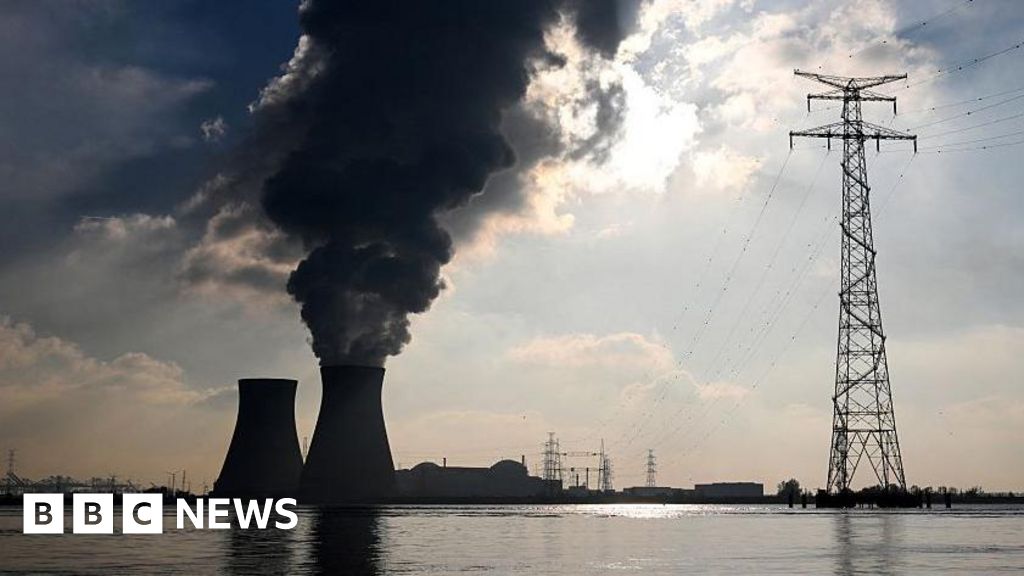
Europe's energy crisis has triggered a dramatic shift in nuclear policy. Facing spiraling gas prices and geopolitical vulnerability, countries once opposed to atomic power are now embracing it as a path to energy independence. European Commission President Ursula von der Leyen declared Europe's previous rejection of nuclear a 'strategic mistake', highlighting how reliance on expensive fossil fuel imports has left the continent exposed. France generates 65% of its electricity from nuclear power, while Germany, which phased out reactors after Fukushima, has drastically cut its growth forecast to 0.6% GDP due to gas dependency. Italy is preparing draft laws to repeal its nuclear ban, and Belgium appears to be reversing its stance after years of reluctance. Greece has opened public debates on advanced reactors, and Sweden abandoned its four-decade nuclear phase-out. The UK is streamlining regulations to advance projects, with new polling showing rising Scottish support. This renewed enthusiasm stems from nuclear's potential to bolster energy security and support AI-driven data centers, though challenges remain.
Germany's reversal followed pressure from France and security concerns amid deteriorating relations with the US, while France champions nuclear as key to decarbonization and sovereignty. However, nuclear isn't a quick fix: reactors take years to build, with examples like Flamanville-3 and Hinkley Point C facing delays. Waste management and safety concerns persist, and environmental groups warn investment could divert funds from renewables. Central European countries like Hungary and Slovakia still depend on Russian nuclear technology, adding strategic risk. The Commission is now pushing small modular reactors (SMRs) as a potentially cheaper, factory-produced solution, though they remain unproven commercially. Rolls-Royce's SMR plans in the UK and a $40bn US-Japan project highlight international interest, but experts caution that maintaining existing nuclear capacity is the immediate priority.
While nuclear offers a path to energy independence, its high costs and long timelines mean it won't solve Europe's current crisis. Maintaining current nuclear capacity requires significant investment, and governments face competing priorities like defense spending. Renewables remain cheaper, and experts like Chris Aylett emphasize that nuclear alone isn't the panacea. Europe's energy future likely involves a mix, with nuclear playing a supporting role rather than a quick solution.
Source: Hacker News · Summarized by HeadlinesBriefing