
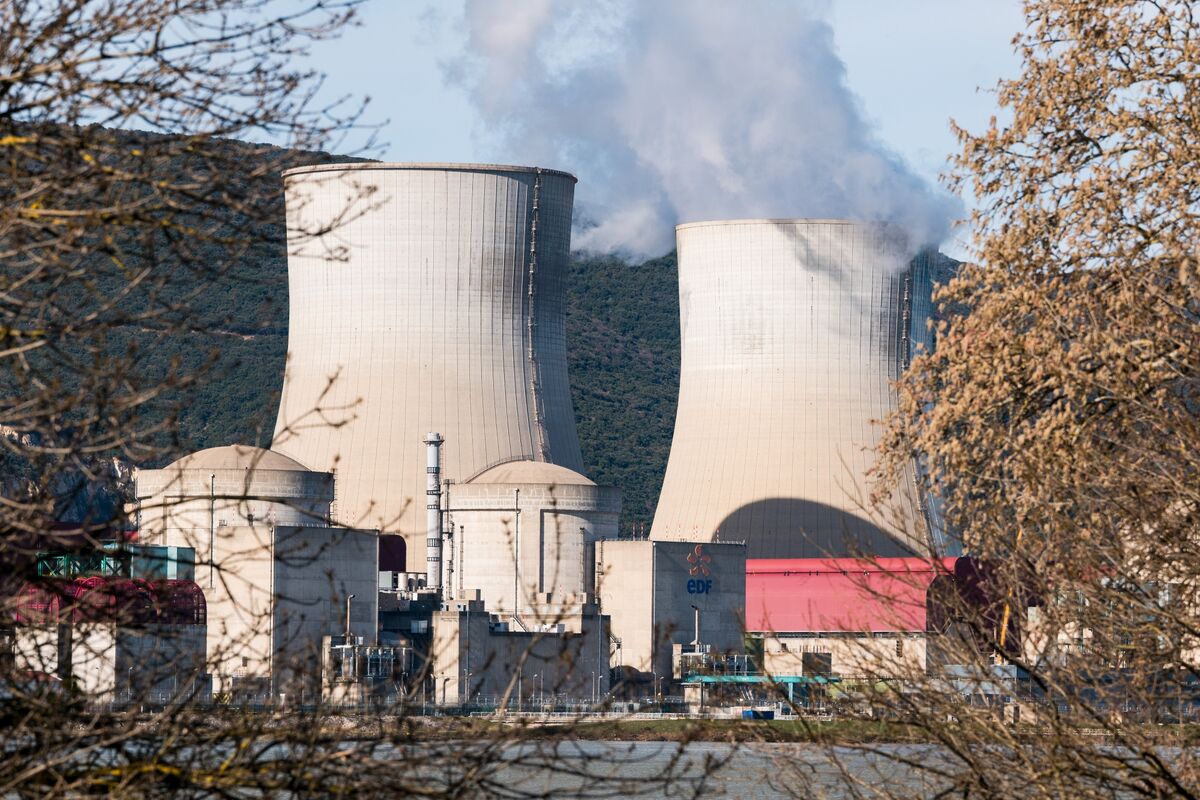
France’s nuclear sector is poised to hit its highest generation levels in March since 2019, a critical boost for European power markets reeling from Middle East turmoil. The war in Iran has disrupted global energy supplies, pushing gas prices to multi-year highs and straining electricity grids. As France ramps up nuclear output, it’s offsetting reduced fossil fuel imports and stabilizing prices across the continent.**
This surge isn’t just a technical achievement—it’s a geopolitical lifeline. With Iran’s conflict spiking gas costs by $120/MWh since January, European utilities are scrambling to secure alternatives. France’s nuclear plants, already supplying 70% of its electricity, are now prioritized for export to neighboring countries. Germany and Italy, particularly vulnerable to price volatility, are importing surplus nuclear power to avoid blackouts. The move underscores France’s role as Europe’s energy backstop, though reliance on aging reactors raises sustainability questions.
Market dynamics are shifting rapidly. Reduced demand for gas-fired power in France has freed up capacity, while nuclear’s low-carbon profile aligns with EU climate goals. Analysts estimate this shift could cut gas price volatility by 20% in Q2. However, transmission bottlenecks and regulatory hurdles threaten to limit the impact. Regulatory delays in licensing new reactors may delay long-term solutions, leaving Europe exposed to future shocks.
The immediate outcome is clear: France’s nuclear expansion is a decisive factor in cushioning Europe’s energy crisis. As markets recalibrate, the interplay between geopolitical tensions and energy infrastructure will define the continent’s economic stability in the coming months.
Source: Bloomberg Markets · Summarized by HeadlinesBriefing