
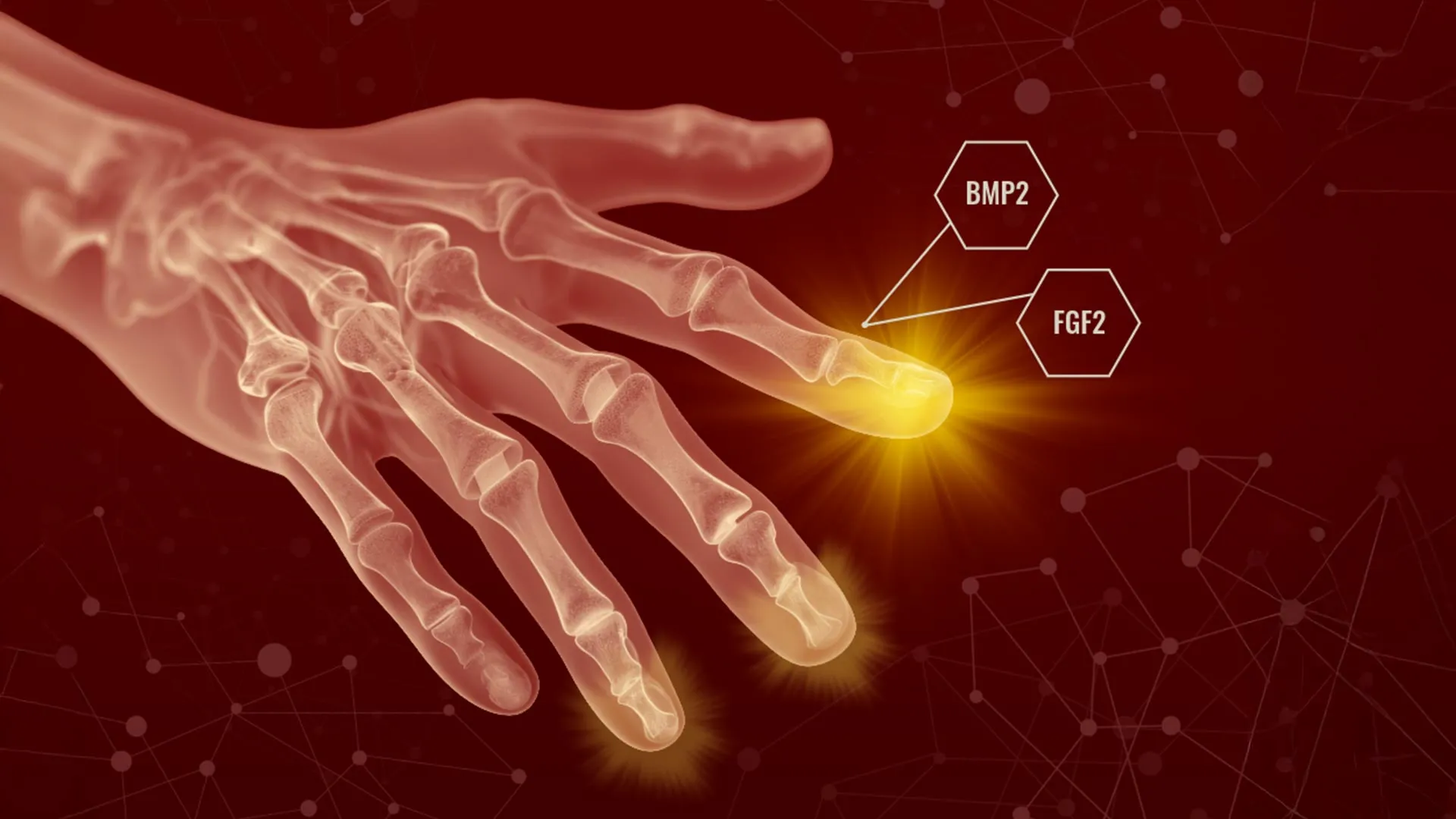
Researchers at Texas A&M’s College of Veterinary Medicine and Biomedical Sciences have shown that mammals retain a latent ability to regenerate lost tissues. In a Nature Communications paper, Dr. Ken Muneoka’s team used a two‑step protocol—first applying fibroblast growth factor 2 after initial wound closure, then delivering bone morphogenetic protein 2—to coax fibroblasts into a blastema‑like state and rebuild bone, tendon, ligament and joint structures.
Normally mammals seal injuries with fibrosis, producing scar tissue that blocks true tissue replacement. The researchers argued that fibroblasts can be steered away from scar formation toward a regenerative pathway, eliminating the need for external stem‑cell transplants. Their experiments restored all major components removed during amputation, although the new anatomy was not a perfect replica. Such a strategy may also improve functional recovery after limb loss.
Because BMP2 already carries FDA clearance and FGF2 is in multiple clinical trials, translating the protocol to human patients could bypass many regulatory hurdles. The study reshapes the view that mammalian regeneration is lost, suggesting instead that it lies dormant and can be reawakened with timed growth‑factor cues. This work provides a practical roadmap for scar‑reduction therapies.
Source: Hacker News · Summarized by HeadlinesBriefing