
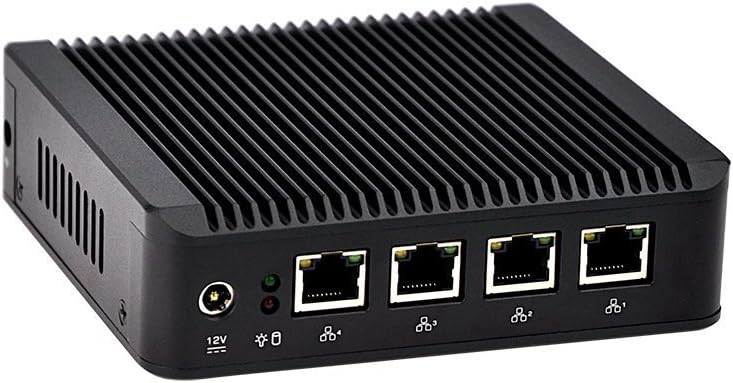
A recent, bewildering US policy effectively blocking new consumer router imports has spurred interest in homebrewing networking gear. Turns out, any device capable of running Linux and possessing a couple of USB ports can become a perfectly capable router. The author has successfully run a Debian-based setup for years, proving consumer hardware is often just an over-engineered computer.
Practical implementations show massive overhead capacity; even a low-power Celeron 3205U machine manages 820mbps wired throughput. The core requirements involve two network interfaces, which can be satisfied by an onboard Ethernet port and a USB-Ethernet dongle. Older hardware, like a trash-picked ThinkPad T60, proved sufficient for routing traffic in a pinch.
Configuration centers on using standard Linux utilities: `hostapd` for Wi-Fi access points, `dnsmasq` for DHCP/DNS, and `bridge-utils` to combine LAN ports virtually. IP forwarding is enabled via `sysctl`, and firewall rules are managed using the modern nftables system for NAT translation.
This exercise demonstrates that dedicated routers hold no inherent magic; they are simply standardized computers running specialized software. Building your own offers granular control over configuration, bypassing vendor lock-in or policy restrictions like the one recently imposed by the American government.
Source: Hacker News · Summarized by HeadlinesBriefing