
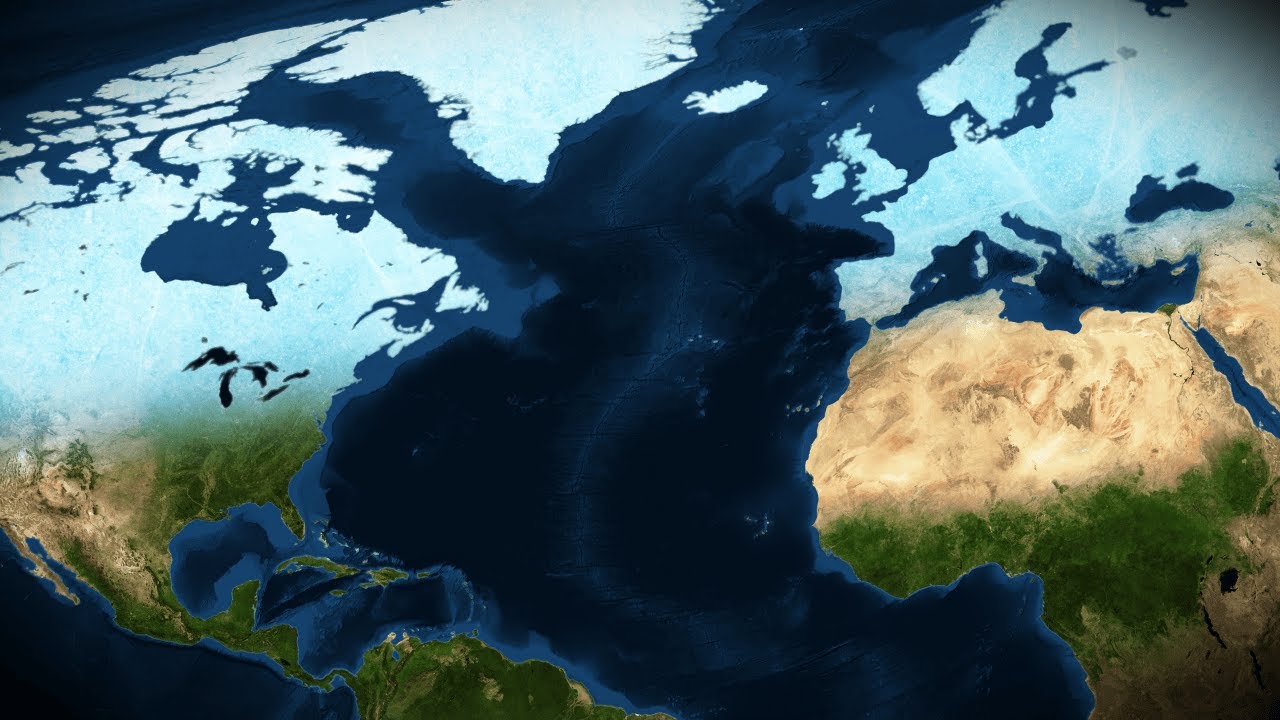
The Atlantic Meridional Overturning Circulation continues to show concerning signs of weakening, with multiple studies confirming the current is at its weakest point in over 1,000 years. Research published in Nature Geosciences indicates nine out of 11 environmental markers demonstrate consistent patterns of decline, suggesting Europe and North America face potentially catastrophic temperature changes if the system fails.
Climate models reveal alarming probabilities for AMOC collapse under various emission scenarios. With high carbon emissions, 70% of model runs predict collapse, while intermediate emissions show a 37% chance, and even low emissions carry a 25% risk. Scientists estimate the tipping point could occur within the next 10-20 years, with professor Stefan Rahmstorf warning even a 10% chance is too high for comfort.
Researchers have identified physical evidence supporting AMOC weakening. The patch of cold water south of Greenland has resisted warming for over a century, a phenomenon now attributed to slowing circulation. New data from satellite images and century-long reconstructions show decreased salinity patterns and temperature increases that only match models simulating a weakened current, not stronger circulation scenarios.
Contrasting scientific perspectives offer some hope. A Nature study suggests Southern Ocean upwelling may help sustain AMOC against extreme greenhouse gases. Caltech researchers project less severe weakening than other models, estimating only 18-43% decline by century's end. These findings indicate the complex relationship between climate change and ocean circulation requires more nuanced understanding beyond North Atlantic-focused projections.
Quick Fact: AMOC has weakened by about 12% from 2000 to 2020.