
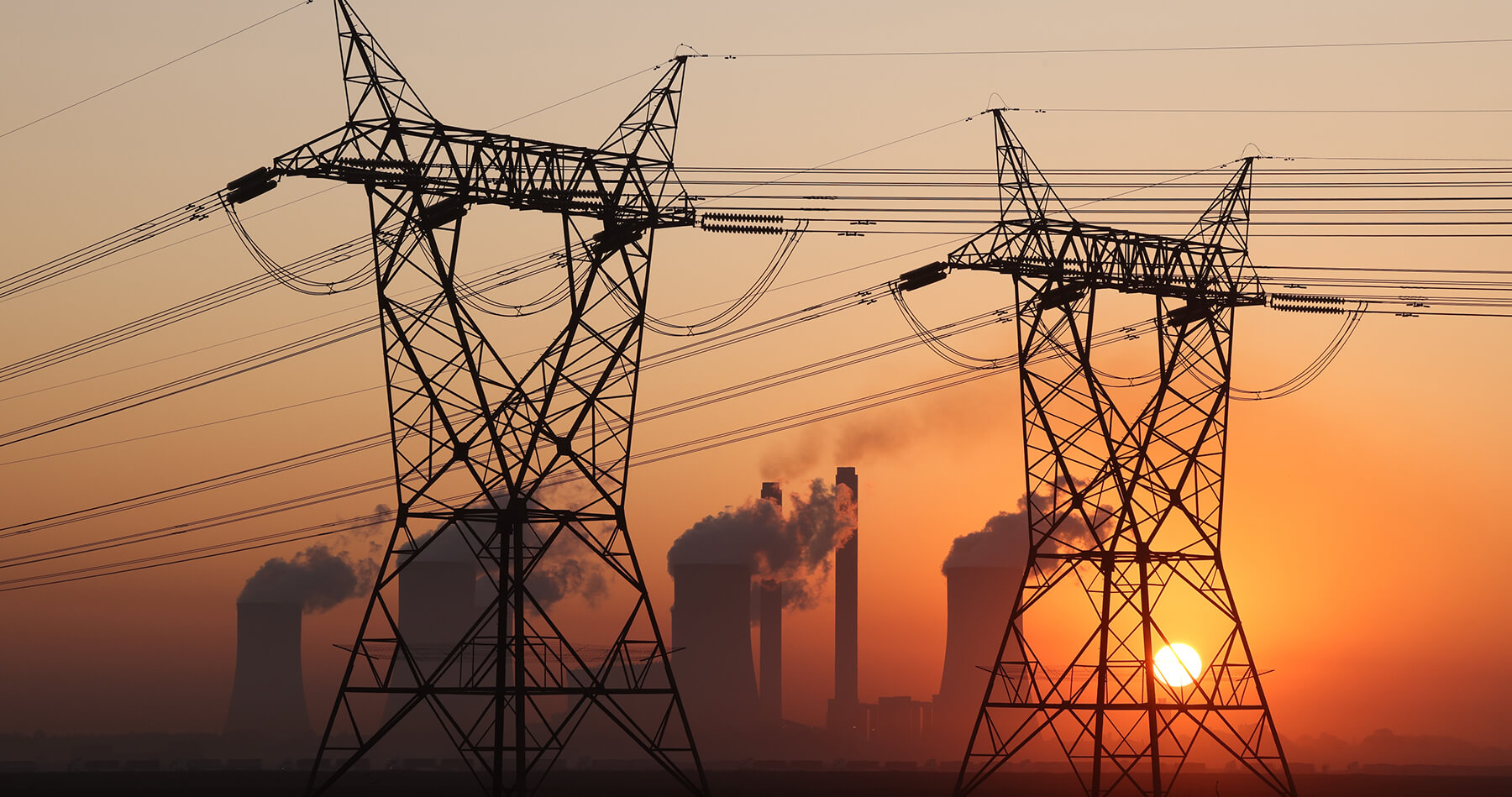
Africa's energy transition faces a hidden obstacle: Zombie Energy Systems (ZES) - outdated, inefficient infrastructure that persists despite being obsolete. These include aging coal plants, deteriorating electrical grids, and obsolete appliances that drain resources while undermining clean energy goals. International development efforts often prioritize new renewable projects over fixing these failing systems, creating a mismatch between investment priorities and actual needs.
The continent's unique challenges compound this problem. Sub-Saharan Africa's population will nearly double to over 2 billion by the late 2040s, while urbanization adds half a billion people to cities by 2040. Yet roughly 600 million people still lack electricity access, and two-thirds of those living in extreme poverty reside in the region. Climate change already costs Africa 5% to 15% of per capita GDP, with losses potentially reaching 16-64% by 2030 under high warming scenarios.
International donors favor rapid-impact projects like solar mini-grids over the complex, expensive task of rehabilitating existing infrastructure. Governments hesitate due to political risks and sunk costs. This neglect creates inefficiencies that drain resources and undermine expansion efforts, threatening the continent's ability to achieve both universal energy access and decarbonization targets.
Addressing ZES requires decommissioning obsolete assets, modernizing grids, and improving regulatory frameworks rather than simply adding new capacity. The authors argue that successful energy transition demands balancing development aspirations with environmental sustainability through tailored, country-specific solutions that tackle both new infrastructure and the rehabilitation of existing systems.
Source: Hacker News · Summarized by HeadlinesBriefing