
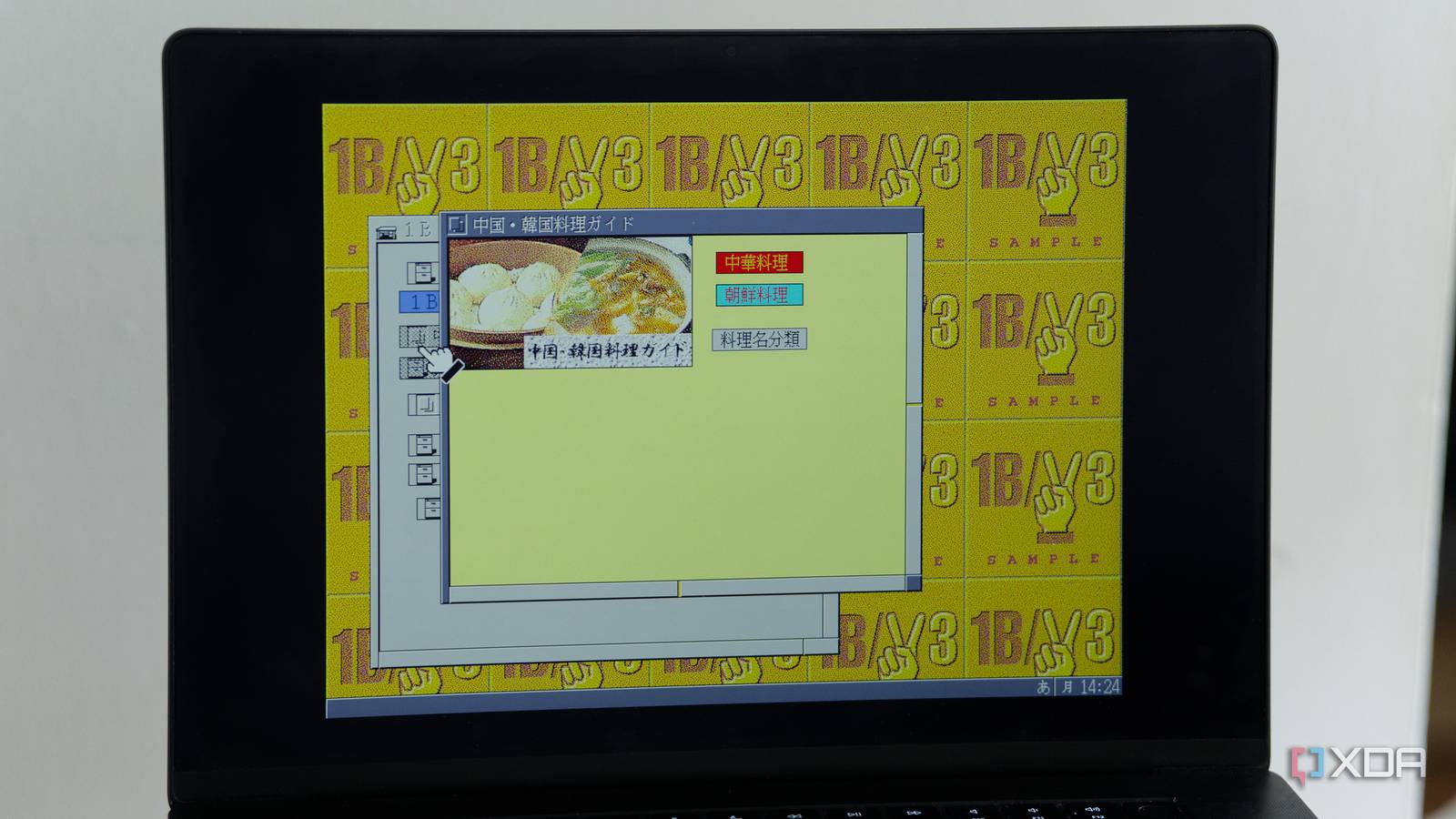
مشروع TRON، الذي أطلقه الباحث كين ساكامورا عام 1984 في جامعة طوكيو، كان يهدف إلى إنشاء بنية حوسبة متكاملة رأسياً لكل المجتمع الياباني. شمل المشروع خمس بُنى فرعية، بما في ذلك BTRON لأجهزة الكمبيوتر الشخصية وITRON للأنظمة المدمجة، إلى جانب وحدة معالجة مركزية VLSI مخصصة من TRON تصنّعها هيتاشي ونظام ترميز أحرف طموح هو TRON Code يدعم نظرياً 1.5 مليون حرف عبر مستويات متعددة.
بدعم من جمعية TRON (التي تضم هيتاشي وميتسوبيشي وفوجيتسو وNEC وماتسوشيتا وتوشيبا) وبإشراف وزارة التجارة والصناعة الدولية (MITI) كاستراتيجية تقنية وطنية، كان TRON مجانياً من حقوق الملكية بمواصفات مفتوحة. ومع ذلك، في عام 1989، أشار تقرير تجاري أمريكي إلى BTRON تحديداً باعتباره حاجزاً تجارياً غير عادل، مما أوقف فعلياً نشره في المدارس في جميع أنحاء البلاد. وفي هذه الأثناء، أصبح ITRON بصمت أحد أكثر أنظمة التشغيل انتشاراً في التاريخ.
كان سطح مكتب BTRON رائداً لنموذج مستندات فائقة الوسائط حيث حلّت أجزاء المستندات المصنفة محل الملفات والتطبيقات كعناصر أساسية مرئية للمستخدم، متقدماً بذلك عقوداً على الحوسبة السائدة. ظهرت لاحقاً نظريات مؤامرة، بما في ذلك ادعاءات بأن رحلة الخطوط الجوية اليابانية رقم 123 تحطمت لاستهداف مطوري TRON، على الرغم من عدم وجود أي دليل يدعم ذلك. كما أن ماسايوشي سون، مؤسس سوفت بانك، ربما قوض المشروع أيضاً من الداخل.
المصدر: Hacker News · لخّصه HeadlinesBriefing