
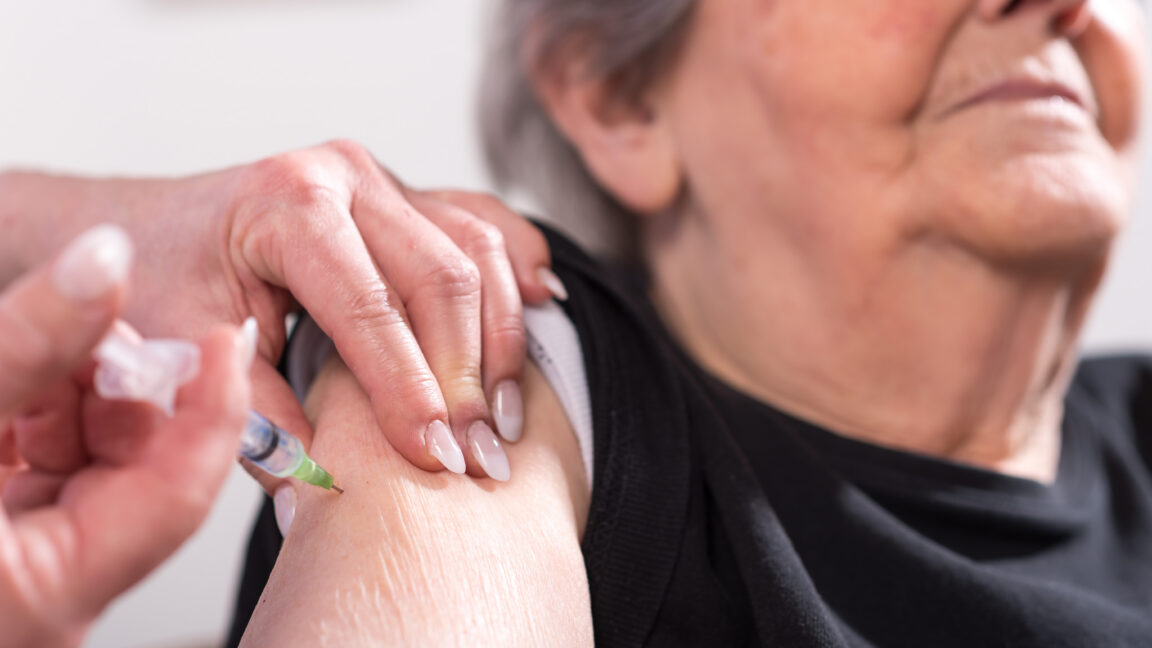
A growing body of research links routine vaccines to lower dementia risk. Shots against shingles, flu, Tdap, pneumococcal infections, hepatitis A and B, and typhoid all show connections, with the shingles vaccine holding the strongest association. A hypothesis published in Frontiers in Immunology suggests these shots may be training a part of our immune system long considered untrainable.
The concept hinges on trained immunity, identified in 2011, where innate immune cells undergo epigenetic reprogramming after exposure to pathogens, allowing faster and stronger responses on future encounters. BCG vaccine studies in 2012 demonstrated this in mice lacking adaptive immunity, showing boosted responses to unrelated pathogens like Candida albicans and Staphylococcus aureus.
A 2023 study found the BCG vaccine correlates with a substantially lower dementia risk, matching the dose-dependent protection seen with high-dose flu shots in older adults. Researchers propose that epigenetic reprogramming of innate immune cells may counteract neuro-inflammation linked to cognitive decline, though more work is needed to confirm the mechanism.
Source: Ars Technica · Summarized by HeadlinesBriefing