
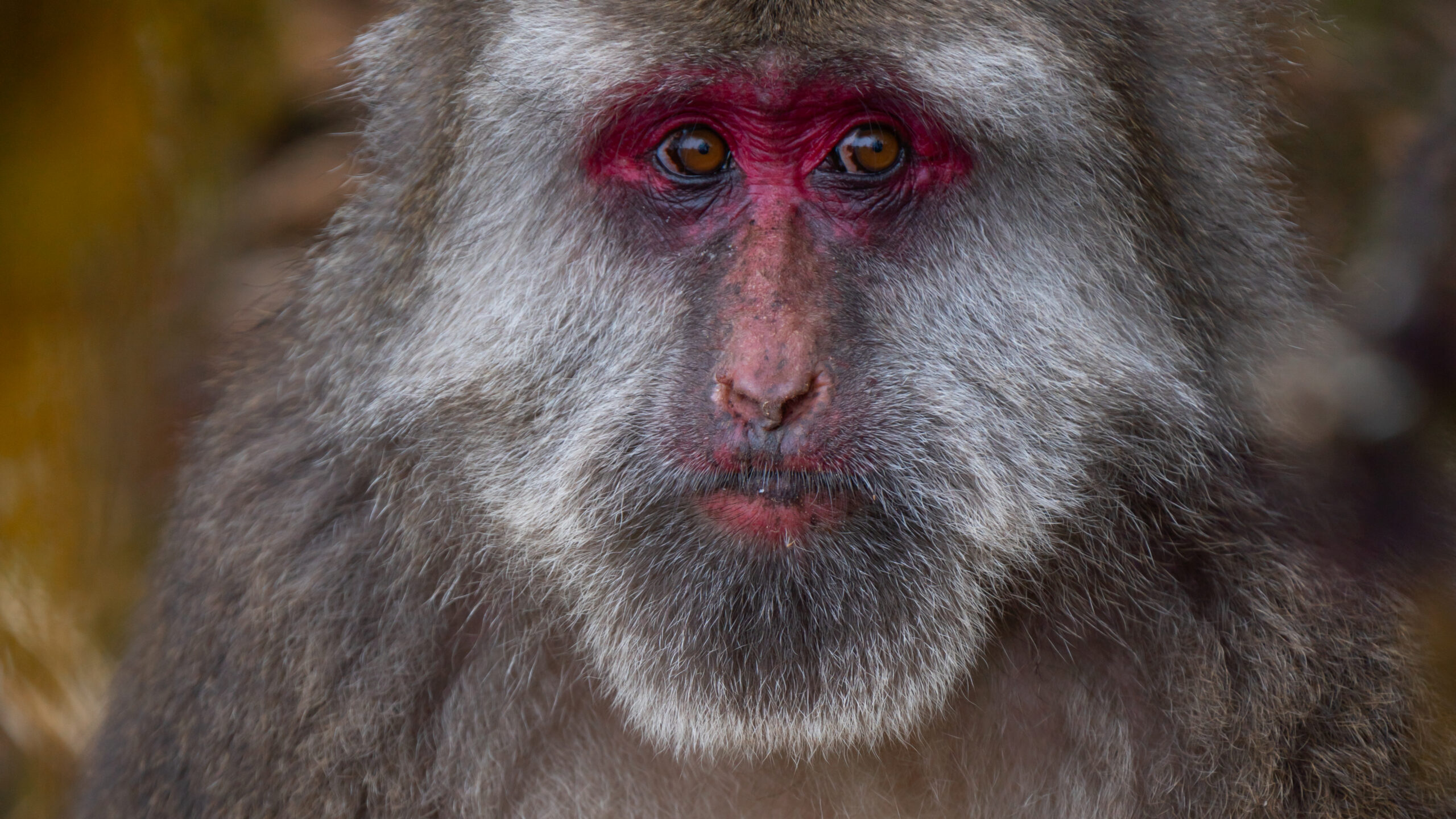
A University of Pennsylvania study using fMRI and micro-electrode arrays in macaques challenges long-held assumptions about how the brain generates facial expressions. Researchers found that brain regions previously thought to specialize in social signals or volitional movements actually work in a coordinated network for all gestures, including threatening faces and chewing.
The experiment exposed macaques to social stimuli while recording neural activity from the primary motor cortex, ventral premotor cortex, primary somatosensory cortex, and cingulate motor cortex. Contrary to the established 'division of labor' model, every region participated in every type of gesture, suggesting a more integrated system for facial control than previously understood.
This research lays groundwork for future neural prostheses that could decode facial gestures from brain signals, aiding patients with stroke or paralysis. Understanding these neural circuits is critical for developing devices that restore natural communication beyond speech, highlighting the brain's complex, unified approach to expression.
Source: Ars Technica - All content · Summarized by HeadlinesBriefing