
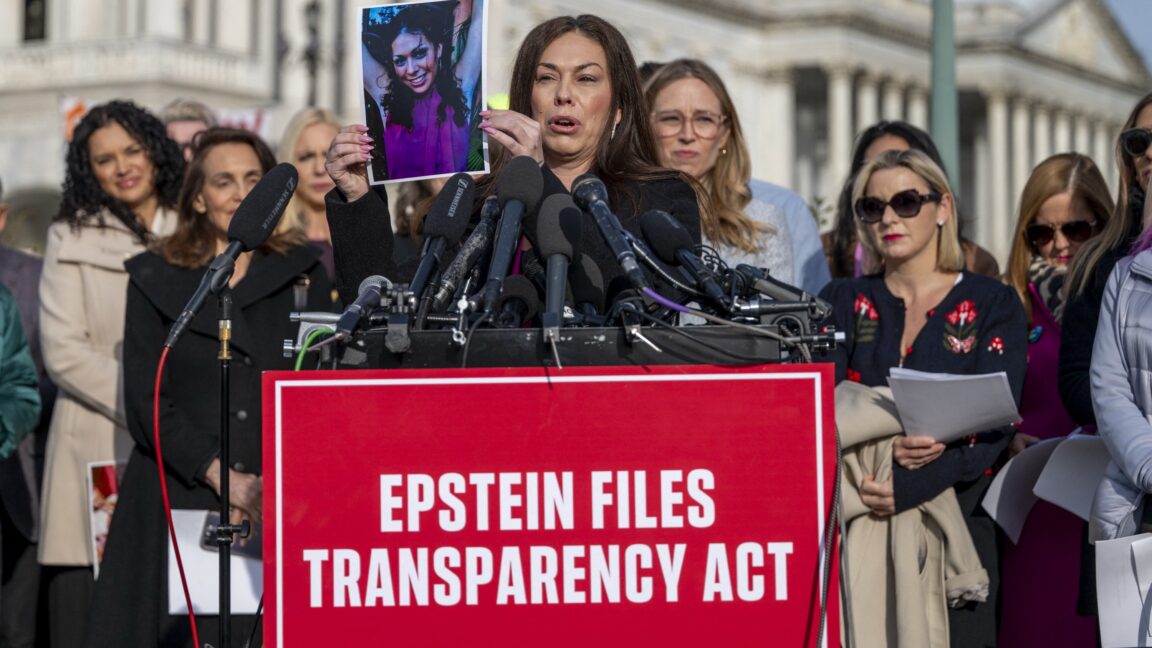
The Department of Justice (DOJ) has released thousands of pages of documents related to the Epstein case, but the disclosure has sparked controversy due to significant redaction failures. Reports indicate that nearly 40 nude photographs and 43 victims' names were inadvertently included in the released files, raising concerns about privacy and the handling of sensitive information. This error has drawn criticism from those who argue that the DOJ should have implemented stricter protocols to protect the identities of victims and ensure the integrity of the investigation.
The release of these documents comes as part of a broader effort to increase transparency in the Epstein case, which has been the subject of intense public scrutiny. The Epstein files contain a wealth of information, including communications, financial records, and other documents that could provide further insights into the sex trafficking operations allegedly conducted by Epstein. However, the DOJ's failure to adequately redact personal information has overshadowed these efforts, prompting calls for a review of how sensitive documents are handled in high-profile cases.
Moving forward, this incident may influence how future sensitive documents are processed and released. Experts suggest that the DOJ should implement more rigorous redaction standards and possibly use advanced technology to detect and remove personal information automatically. As the Epstein case continues to unfold, the focus remains on ensuring that victims' rights are protected while maintaining transparency in the legal process.
This development underscores the challenges faced by law enforcement agencies when balancing the need for transparency with the protection of sensitive information. As the public and media continue to scrutinize the Epstein case, the DOJ's actions will likely face ongoing review to ensure that such errors do not compromise the integrity of future investigations.