
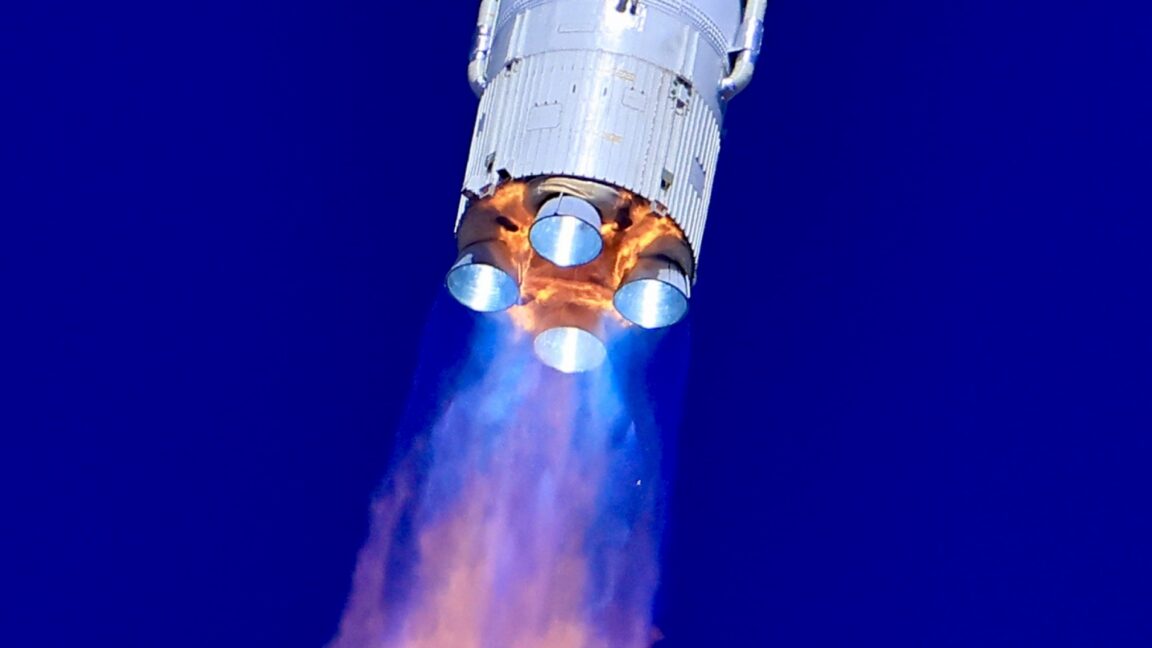
The upper stage of a Chinese Zhuque-2E rocket disintegrated in space after launching on June 9, scattering debris through a crowded orbital region that hosts the International Space Station and SpaceX's Starlink network. The rocket carried two direct-to-cell communication satellites before its second stage broke apart, likely during a planned disposal burn.
US Space Force confirmed the fragmentation event via space-track.org, noting no immediate threats to human spaceflight while ongoing analysis continues. Orbital intelligence firm LeoLabs estimates the breakup generated 100 to 150 pieces of trackable debris from the 25- to 30-foot-long upper stage built by LandSpace. These fragments now orbit between 208 and 263 miles altitude at 54.5-degree inclination.
The debris field intersects the ISS orbital path, though atmospheric drag will eventually pull fragments away from the station's altitude. However, the debris poses a more significant risk to SpaceX's Starlink satellites, particularly newer direct-to-device models operating at lower altitudes where collision probability increases. Orbital congestion in low-Earth orbit continues growing as satellite constellations expand, making fragmentation events like this increasingly problematic for operational spacecraft.
This incident underscores mounting concerns about space traffic management as commercial launch providers multiply. The Zhuque-2E failure demonstrates how rocket malfunctions can jeopardize billion-dollar satellite infrastructure, potentially disrupting broadband services relied upon by consumers and emergency responders worldwide.
Source: Ars Technica · Summarized by HeadlinesBriefing