
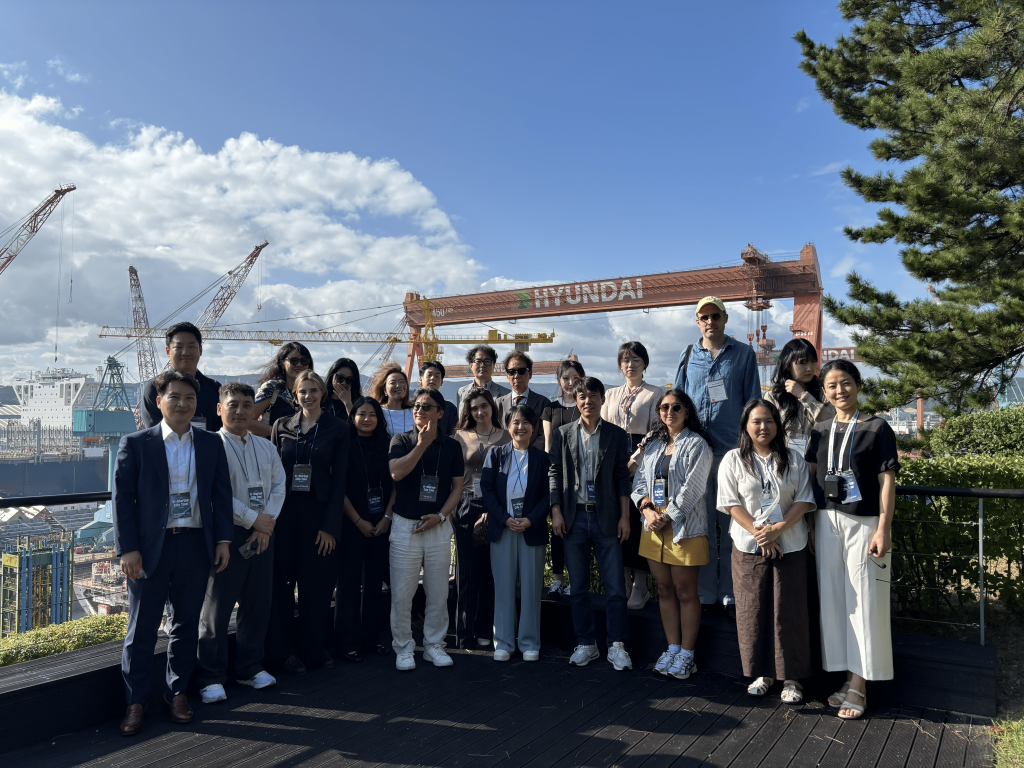
South Korea is shifting focus from its global corporate giants like Samsung and Hyundai to nurturing its startup ecosystem. Across four cities during Startup Korea Investment Week, I witnessed medical testing facilities with human-sized robots and electric ships hosting startup pitches. The Ministry of SMEs and Startups has designated four cities—Daejeon, Gwangju, Ulsan and Daegu—as first Startup Cities to boost international recognition.
Daejeon leads the charge with 17 creative economy and innovation centres backed by government and corporations like SK. These centres offer startups fundraising education, VC access, and tax benefits—100% exemption for first three years, 50% for next two. Daejeon's Yuseong-gu district is marketed as foreign-friendly with English-speaking officials, international schools and Western-style housing.
The city's decentralized work zones let employees work in slippers, then socialize next door. KAIST, Korea's MIT equivalent, changed its mission in 2022 to support startups, launching over 100 annually. With 70% of Korean patents registered in Daejeon, the city is proving that South Korea's startup future may begin outside Seoul.
Source: Sifted · Summarized by HeadlinesBriefing