
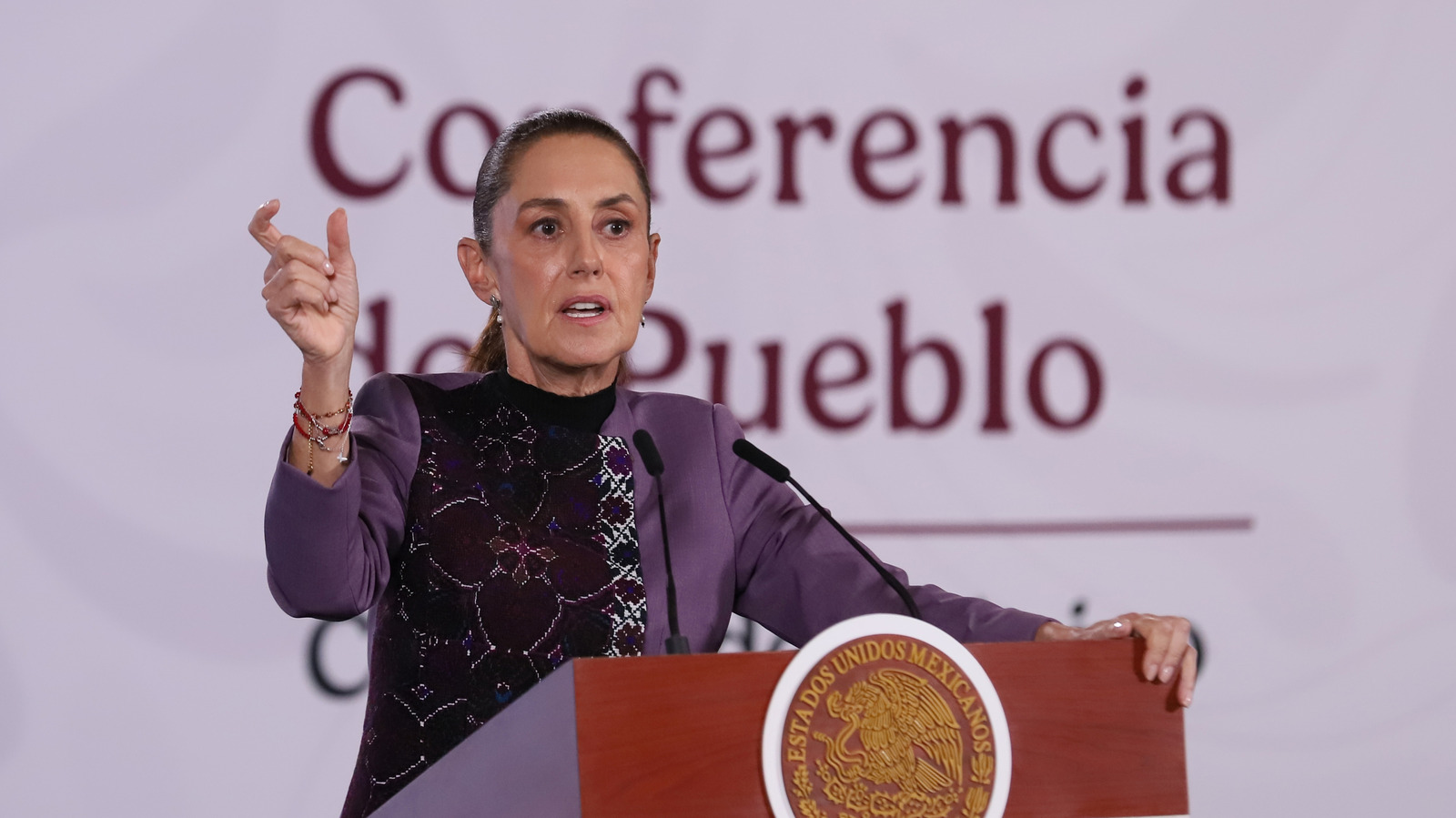
Mexico's president Claudia Sheinbaum has signed a decree ordering digital platforms to protect children from accessing adult and other types of content, the government announced. Sites have 30 calendar days to implement the mandatory measures, though they will not initially face any punishment if they fail to comply.
Mexico is not the first country to introduce digital child protection measures, but it is unusual in issuing the new rules through a presidential decree rather than new legislation. The rules apply to social media and other platforms that let users create, distribute or share content. They prohibit access by minors to hate speech, violent extremism, sexual abuse or exploitation, suicide, self-harm, eating disorders, school violence, harassment, cyberbullying, unlawful conduct and explicit sexual material.
Platforms must identify and remove accounts or content that promote violence, provide age classifications for content along with parental supervision and reporting tools, and apply stronger privacy and safety settings for younger users. They must also maintain a 24/7 available point of contact with investigating authorities, preserve evidence and alert authorities when life-threatening content is identified. Although the decree is obligatory, it will be non-punitive at first. The government said it will pursue further legislation if companies do not follow the rules. Compliance will be overseen by Mexico's ADTT (Agency for Digital Transformation and Telecommunications).
Mexico previously considered applying an eight percent tax on violent video games, though Sheinbaum later dropped the idea. Mexico now joins multiple countries and territories implementing digital child protection laws, including Australia, Europe and China, along with Florida, Mississippi, Ohio and Texas. Australia's pioneering under-16 social media ban faced early teething problems as minors found ways around platforms' age-verification tools.
Source: Engadget · Summarized by HeadlinesBriefing