
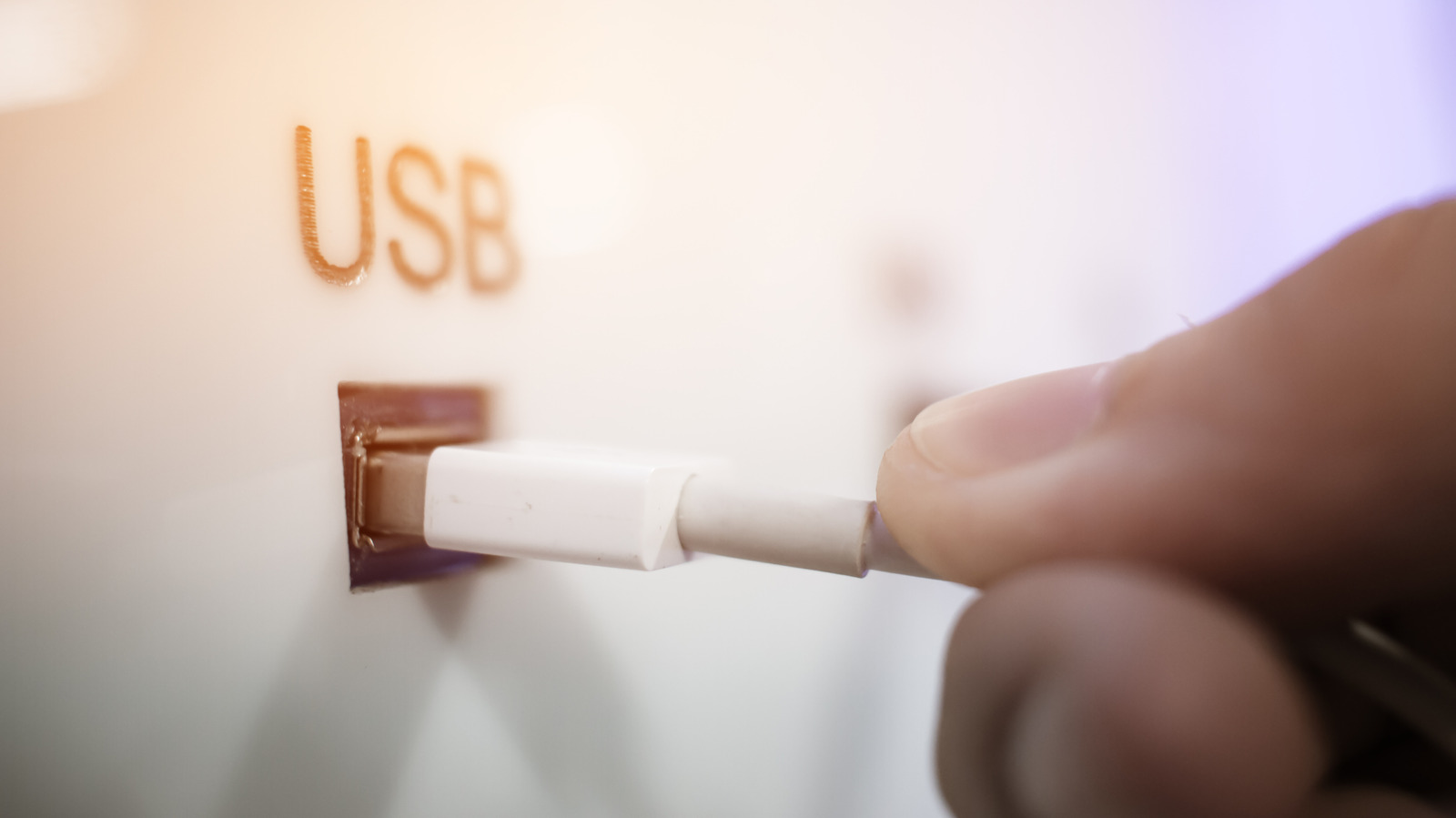
Using public USB charging stations at airports is reasonably safe, though security agencies like the FBI and TSA have issued warnings about potential data theft risks known as "juice-jacking." While proof-of-concept demonstrations exist showing attackers could modify charging points to install malware, there are no credible reports of successful real-world attacks. The risk is inherent to the USB standard, which carries both power and data. To protect devices, travelers should use personal power bricks or battery packs.
Where available, secure charge points that block data transfer are recommended. Inexpensive USB data blockers, such as those from JSAUX, can greatly reduce risk by blocking data transfers while permitting energy passthrough. However, USB-A blockers may prevent fast charging standards.
Modern USB-C blockers are available. Standard travel security advice remains: avoid public Wi-Fi for sensitive information, keep software updated, and enable multi-factor authentication for important accounts. If using a public USB port, decline any "Trust This Computer?" prompt and consider using a data blocker for added protection.
Source: Engadget · Summarized by HeadlinesBriefing