
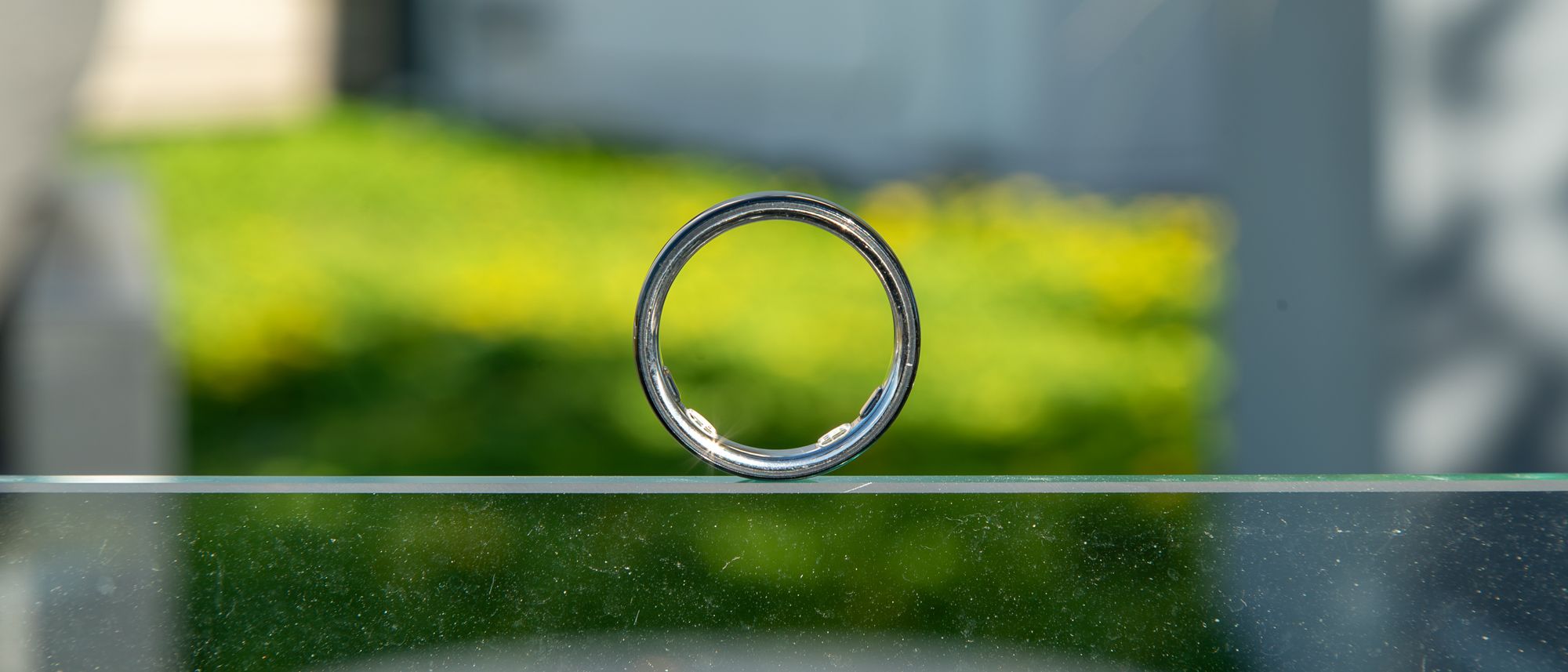
After testing the Oura Ring 5 for a month, I found it to be a significant upgrade over its predecessor. The new model features a slimmer, lighter design that feels more like a traditional piece of jewelry. This redesign addresses previous criticisms about bulkiness while maintaining all core functionality. The ring now measures just 2.28mm thick and weighs over 2 grams, making it barely noticeable during daily activities. Battery life has improved dramatically despite the smaller size, lasting 6-9 days per charge with an 80-minute full recharge time. The titanium construction offers IP68 water resistance rated to 100 meters, supporting both casual and intense exercise routines. However, the device still struggles with accurate heart rate monitoring during workouts, often showing readings significantly lower than competing wearables like the Garmin Venu 4. Additionally, Oura's reliance on a subscription model for advanced features may deter budget-conscious consumers seeking standalone functionality. The ring comes in six size options (6-13) and multiple color finishes including silver, black, and rose gold. While automatic activity tracking remains impressive—successfully detecting everything from yoga sessions to weekend dancing—the persistent fitness monitoring limitations prevent it from replacing dedicated exercise trackers entirely. For users primarily interested in passive health insights rather than athletic performance metrics, the Oura Ring 5 represents the smart ring benchmark others should follow.
The Oura Ring 5 delivers compelling health insights through its redesigned form factor and enhanced sensor suite. A new digital temperature sensor complements existing heart rate, blood oxygen, and accelerometer capabilities, providing more comprehensive wellness data. Sleep tracking continues to be the ring's strongest suit, offering detailed sleep stage analysis and readiness scores that integrate seamlessly with Apple Health and Google Fit ecosystems. The companion app features a clean interface with customizable focus metrics, allowing users to monitor stress levels, recovery, and long-term trends alongside weight management tools that support manual logging or Withings integration. Meal tracking via photo analysis adds nutritional context to overall health assessments, while the Oura Advisor AI chatbot provides personalized wellness recommendations based on collected data patterns.
Despite notable improvements, the Oura Ring 5 faces several persistent drawbacks that limit its appeal. The subscription requirement for accessing premium features creates ongoing costs beyond the initial purchase, which many consumers view unfavorably compared to one-time payment alternatives. Workout heart rate accuracy remains problematic during high-intensity exercise, with readings consistently lagging behind dedicated fitness trackers—a limitation that undermines claims of comprehensive activity monitoring. Fewer size options compared to previous generations may leave some users unable to find a comfortable fit. Additionally, the ring's premium pricing strategy positions it outside reach for budget-conscious buyers, especially when competing wearables offer similar health tracking capabilities without recurring fees.
The Oura Ring 5 succeeds by prioritizing comfort and passive health insights over active fitness functionality. Its thinner profile and extended battery life represent meaningful advances that address earlier generation criticisms. However, the combination of subscription requirements and inconsistent workout metrics prevents it from being a universal recommendation. Health-focused users who value sleep and recovery data will find significant value, while athletes should supplement with dedicated training devices.
Source: Android Central · Summarized by HeadlinesBriefing