
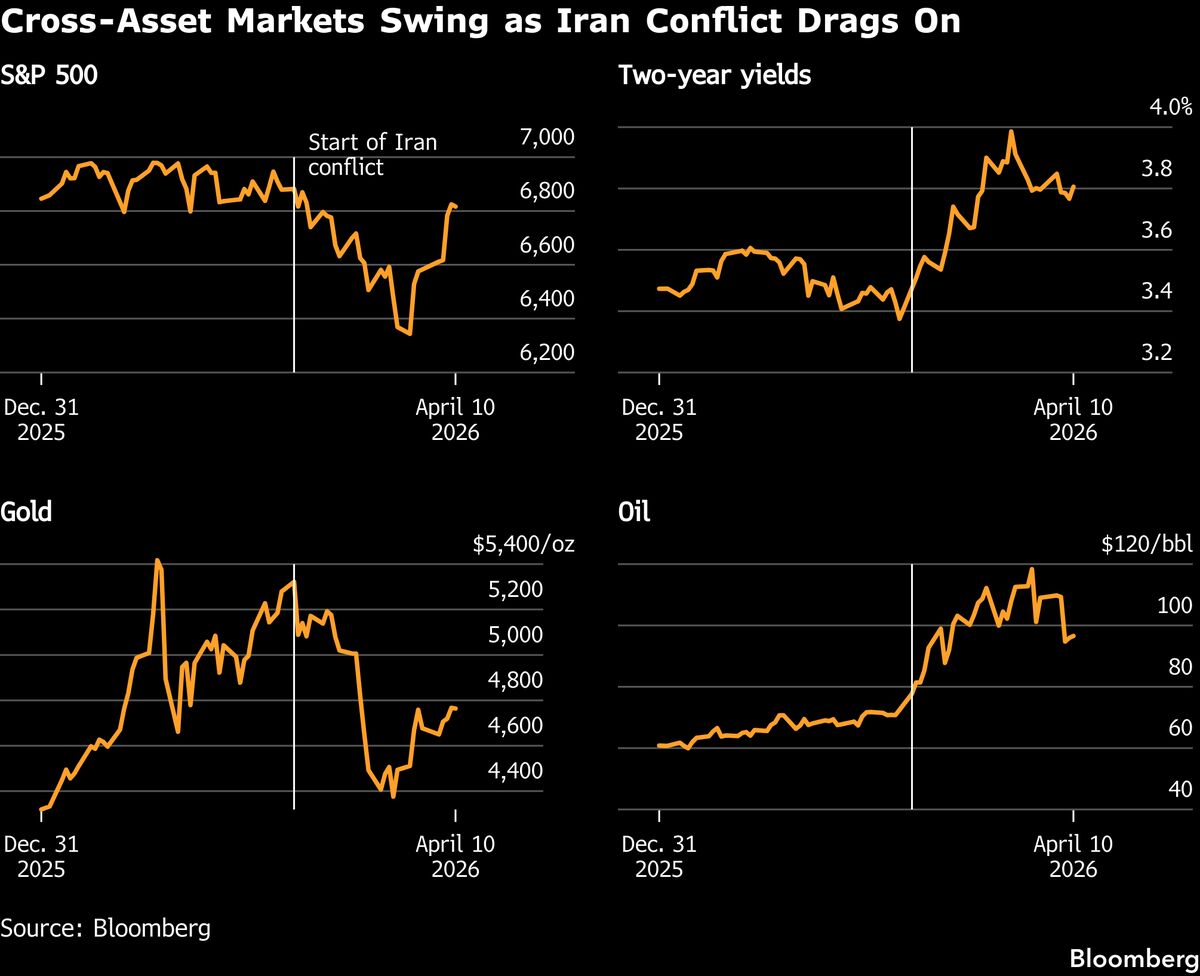
Fragile ceasefire in the Middle East has traders cautiously returning to risk assets, but Wall Street strategists warn the conflict’s economic scars are deepening. The war has disrupted global inflation trends, strained energy supplies, and limited the Federal Reserve’s capacity to adjust monetary policy. These intertwined challenges threaten to reshape the 2026 economic landscape, with markets grappling over whether the damage is already irreversible.
The Federal Reserve faces a delicate balancing act as geopolitical tensions exacerbate existing vulnerabilities. Rising energy prices, already volatile due to supply chain bottlenecks, could amplify inflationary pressures. Strategists note that prolonged instability may force central banks to prioritize short-term stability over long-term growth objectives, complicating efforts to curb persistent price hikes.
Wall Street strategists emphasize that the war’s fallout extends beyond immediate market reactions. Corporate earnings forecasts are being revised downward as energy costs and supply chain disruptions ripple through industries. Investors are increasingly concerned about the Fed’s ability to navigate these dual pressures without triggering a liquidity crisis or stifling economic recovery.
While markets anticipate a gradual normalization of risks, the Middle East conflict has already altered the trajectory of 2026 projections. Analysts stress that the Fed’s policy flexibility is now constrained, and the war’s lingering effects on energy markets could delay recovery efforts. The coming months will test whether diplomatic resolutions can mitigate these entrenched economic headwinds.
Source: Bloomberg Markets · Summarized by HeadlinesBriefing