
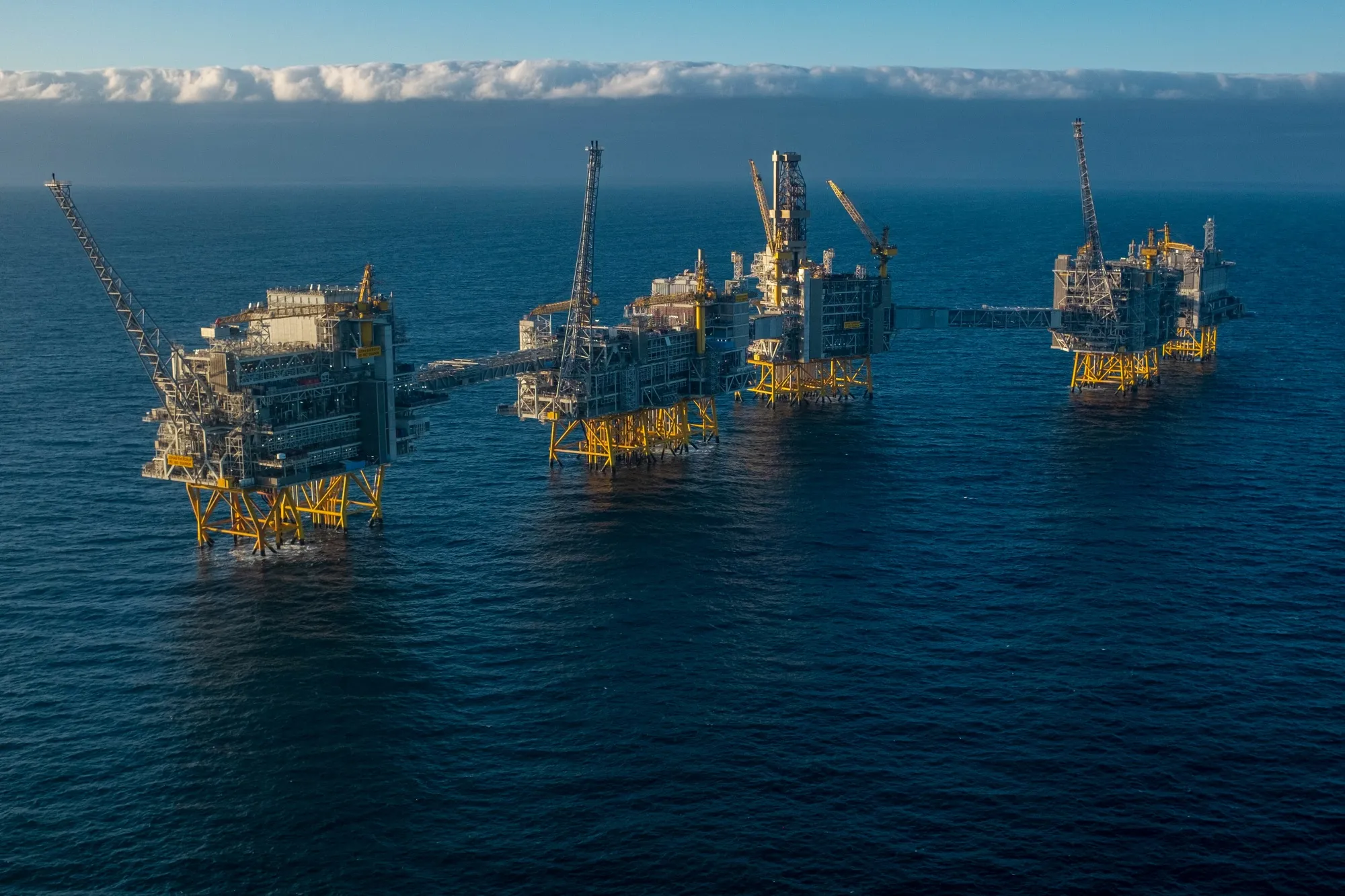
The UK government has decided to maintain the Energy Profits Levy on North Sea oil and gas producers, rejecting industry pleas to terminate it next year. The 38% tax will remain in place until April 1, 2030, or earlier if a price floor is triggered. A price-activated mechanism will replace the levy upon expiry.
Oil and gas operators have lobbied the Labour government to adopt the new fiscal regime sooner, arguing earlier transition would stimulate investment and production, generating additional tax revenues. Introduced in 2022 following Russia's invasion of Ukraine, the levy was extended and increased by both the previous Conservative administration and the Labour Party after it took power in 2024. Producers contend the tax discourages investment, prompting several to reassess UK activities, opting to sell, merge or scale back operations.
BP Plc, the last major oil company with a standalone North Sea business, is working to exit the area. The levy may be removed before 2030 if oil and gas prices drop below a sustained threshold. The Office for Budget Responsibility estimates prices could trigger termination in September 2029, two years later than the March forecast.
Chancellor of the Exchequer John Healey announced a new Energy Wealth Fund, starting with 2 billion pounds ($2.7 billion), to invest North Sea tax revenues in clean energy projects. The government also approved the controversial Jackdaw gas field development.
Source: Bloomberg Markets · Summarized by HeadlinesBriefing