
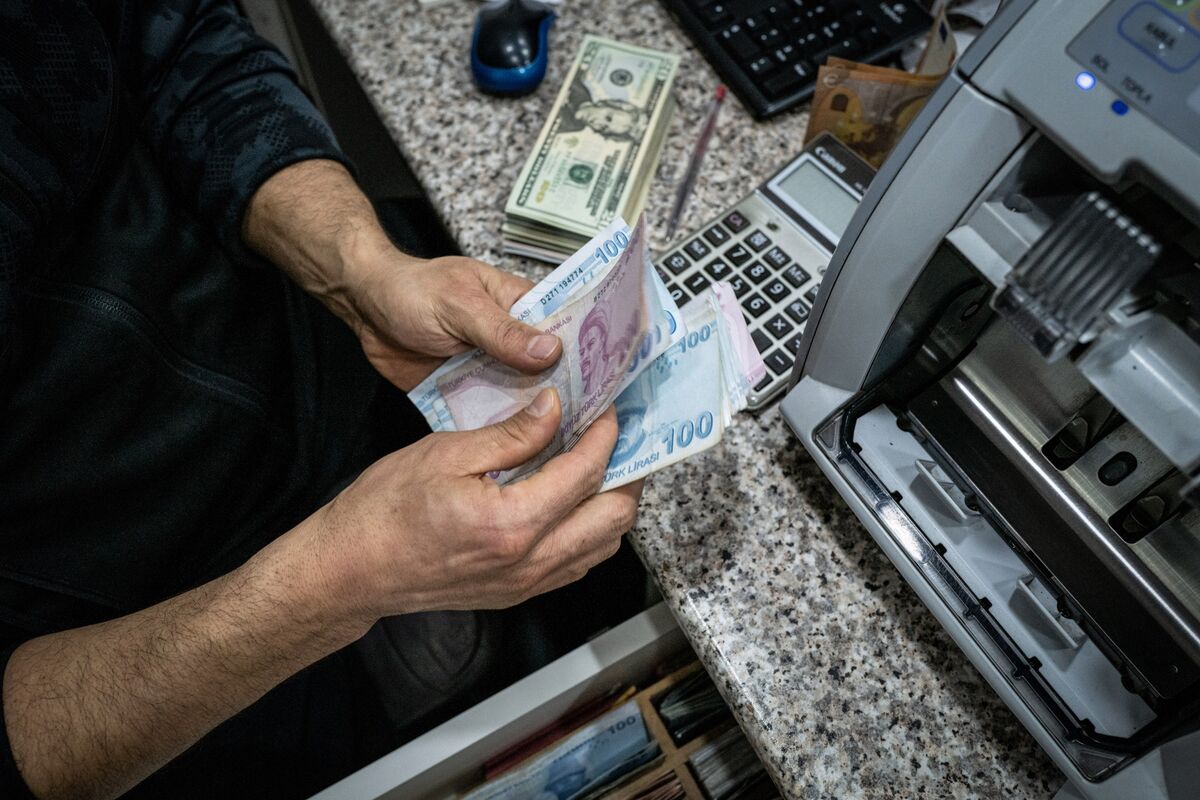
Turkey is allowing the lira to slide more quickly to prevent sharper weakness in the longer term, central bank Governor Fatih Karahan told investors at meetings in Bangkok, according to people with direct knowledge of the matter. The pass-through effect of the currency’s depreciation to inflation has gotten weaker because economic activity is also weaker, Karahan said, explaining the timing of the adjustment. Karahan is in Bangkok for the annual International Monetary Fund and World Bank meetings.
The central bank declined to comment. Karahan emphasized the importance of maintaining a sustainable currency framework in the meetings. He noted that his term ends in February 2028 and said he wants to prevent any successor from feeling the need for a devaluation that would erase all the progress made so far.
The governor also said that tweaks to the pace of depreciation need to ensure that local savers and households continue to find lira returns attractive. Karahan’s central bank has tightly managed the lira’s steady decline as part of a disinflation strategy based on “real” currency appreciation, meaning that the monthly percentage fall in the lira is kept below the monthly inflation rate. The pairing of a predictable currency path with high interest rates has attracted billions of dollars in foreign investment to Turkey via the so-called “carry trade,” in which investors borrow cheaply in one currency and invest in higher interest rates in another.
Turkey has one of the world’s highest benchmark interest rates, with its one-week repo rate at 37%. Annual inflation slowed to below 30% for the first time in nearly five years in September, and some economists expect that the Monetary Policy Committee will lower the interest rate when Karahan chairs its meeting next week.
Source: Bloomberg Markets · Summarized by HeadlinesBriefing