
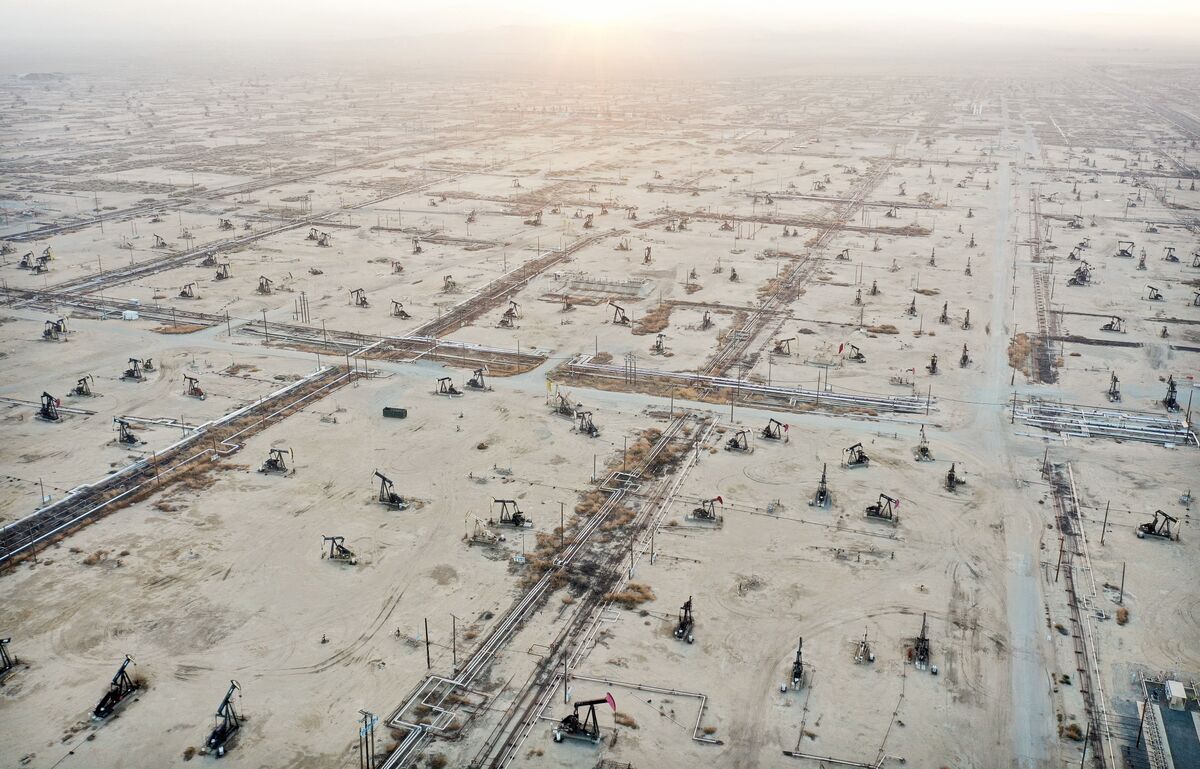
Trump’s White House has signaled potential energy diversion if EU emissions rules tighten, prompting European nations to push for regulatory review. The US move, framed as a response to EU climate policies, risks disrupting transatlantic energy trade. While specifics remain sparse, the rhetoric suggests a strategic shift under the administration to leverage energy markets as a geopolitical tool. European states, reliant on US energy exports, are now lobbying the bloc to reconsider its carbon legislation, fearing economic fallout from stricter rules. This tension underscores a broader clash between US energy priorities and EU climate ambitions, with markets already pricing in uncertainty.
The EU Emissions Law at the center of this dispute imposes binding carbon reduction targets, which the US views as economically burdensome. Critics argue the rules could stifle competitiveness, particularly for industries tied to carbon-intensive processes. However, supporters emphasize the law’s role in meeting Paris Agreement goals. The debate hinges on whether the EU will tighten regulations to meet 2030 targets or soften them to retain US trade ties. Energy analysts warn that any shift could cause volatility in oil and gas markets, as Europe’s demand might surge while US supplies face redirection. The lack of concrete details from Washington complicates forecasting, but the mere threat of energy realignment has already stirred investor caution.
At stake is more than policy—it’s a $100B+ energy market gambling with global trade dynamics. A revised EU framework could either stabilize or exacerbate energy prices, depending on whether the bloc prioritizes climate goals or economic pragmatism. For businesses, the uncertainty creates a dual challenge: adapting to potential regulatory changes while navigating volatile energy costs. Investors are urged to monitor developments closely, as even minor adjustments to the law could ripple through supply chains and profit margins. The core question remains: Will the US leverage energy as a bargaining chip, or will the EU resist external pressure to maintain its climate leadership?
Source: Bloomberg Markets · Summarized by HeadlinesBriefing