
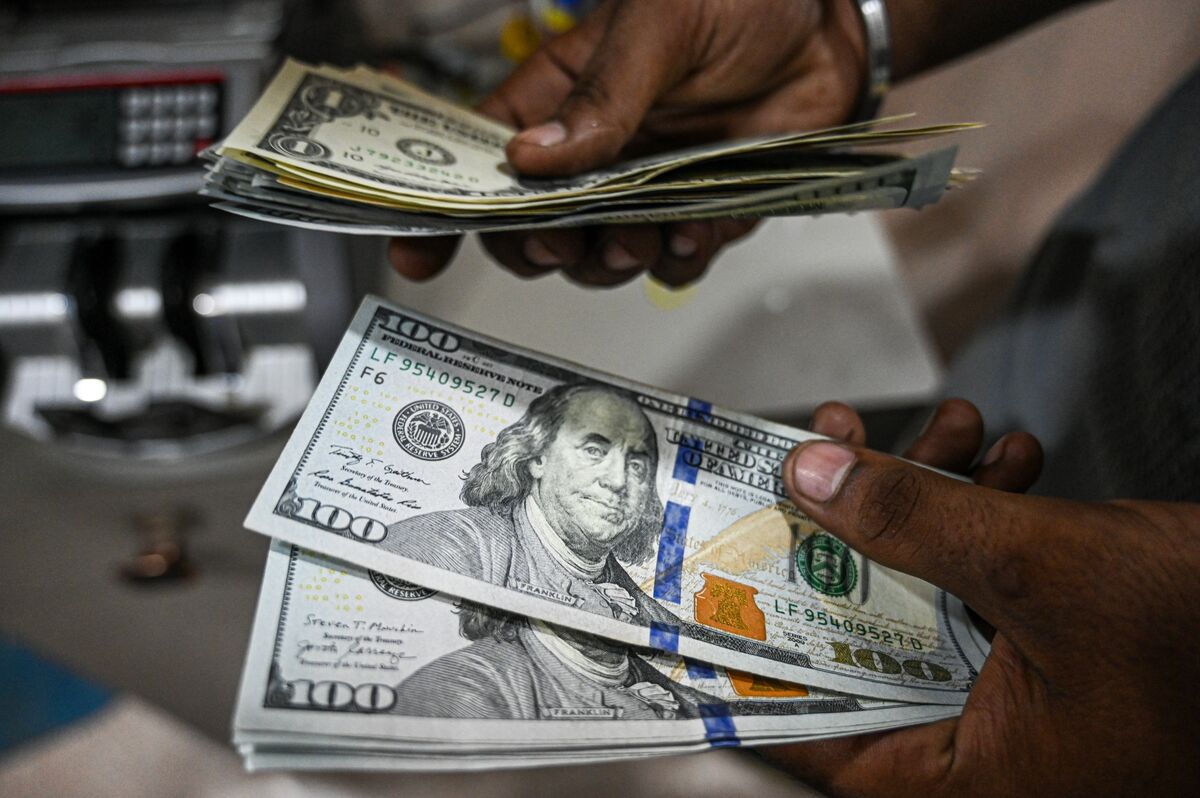
Taiwan is evaluating a proposal allowing listed companies to pay dividends in US dollars, departing from the current mandate requiring local currency payouts, according to Bloomberg Markets sources. The shift, if implemented, could reshape how firms manage capital distribution and attract foreign investors seeking USD-denominated returns. Regulators are assessing potential risks, including currency volatility and tax implications, while weighing benefits like enhanced liquidity and alignment with global market practices. No specific timeline has been disclosed, but the move reflects growing pressure to modernize capital market rules amid evolving investor demands.
The proposed change would enable companies to bypass foreign exchange conversion costs and reduce exposure to Taiwan dollar depreciation, which has historically pressured dividend payouts. Analysts note this could particularly benefit exporters and tech firms with significant overseas earnings. However, critics warn of potential market instability if firms rapidly shift to USD payouts without safeguards. The government emphasizes the need for a balanced approach to avoid disrupting domestic financial stability while addressing competitive disadvantages.
This proposal aligns with broader efforts to strengthen Taiwan's capital markets, which have faced scrutiny over outdated regulations. By allowing flexible dividend policies, the government aims to boost investor confidence and position the island as a hub for international capital flows. Key sectors like semiconductors and advanced manufacturing—critical to Taiwan's economy—could see immediate benefits from streamlined payout mechanisms.
Implementation would require coordination between regulators, accounting firms, and investors to ensure compliance and transparency. While specific dollar amounts or company names aren't mentioned, the move signals a strategic pivot toward global financial integration. Market analysts caution that success hinges on clear guidelines to prevent misuse, but the potential to unlock capital efficiencies makes this a pivotal development for Taiwan's economic resilience.
Source: Bloomberg Markets · Summarized by HeadlinesBriefing