
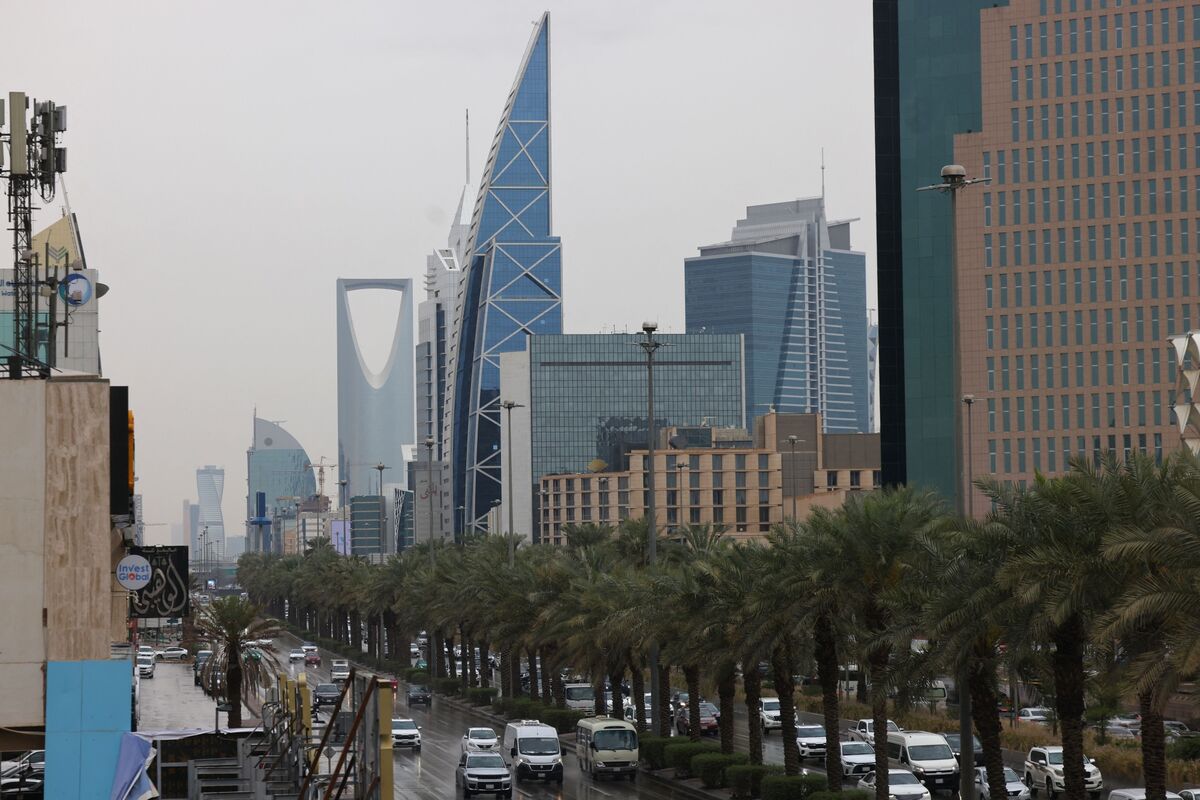
Saudi Arabia's quarterly fiscal deficit more than doubled in the third quarter, reaching 84 billion riyals ($22.4 billion), up about 145% from the prior period. The government faces heightened financial strain as the US-Iran war disrupts crude oil exports, the kingdom's primary earnings source. Conflict in the Middle East has driven elevated wartime spending and contributed to an economic contraction of 3.8% over the same period, mostly due to depressed oil activities.
Saudi authorities increased their projected annual budget deficit to 4.9% of GDP and anticipate a 3.6% economic contraction, similar to the 2020 pandemic decline. The US-Iran war, which began in February, threatens Saudi infrastructure and has effectively closed the Strait of Hormuz, a critical Persian Gulf chokepoint for oil exports. The world's largest oil exporter has offset some war impacts by using a backup pipeline to the Red Sea port of Yanbu, exporting crude at some of the highest war levels and benefiting from higher oil prices.
Brent crude traded around $105 a barrel. Should oil exports continue and Brent stay near that level, the kingdom stands to make an additional $8 billion in oil revenue across October and November, according to Mohamed Abu Basha of EFG Hermes. At the same time, Saudi Arabia has increased spending forecasts for defense and infrastructure to support the economy, facing escalating threats from Iran-backed Houthi rebels.
In October, attacks on the capital Riyadh killed more than a dozen people and delayed major events. The International Monetary Fund notes Saudi fiscal buffers and backup oil-export facilities are helping curb damage, seeing the kingdom better placed than Gulf peers to ride out the upheaval. Saudi Arabia plans to continue borrowing in public and private markets to plug its fiscal deficit and remains flexible in adjusting spending.
Source: Bloomberg Markets · Summarized by HeadlinesBriefing