
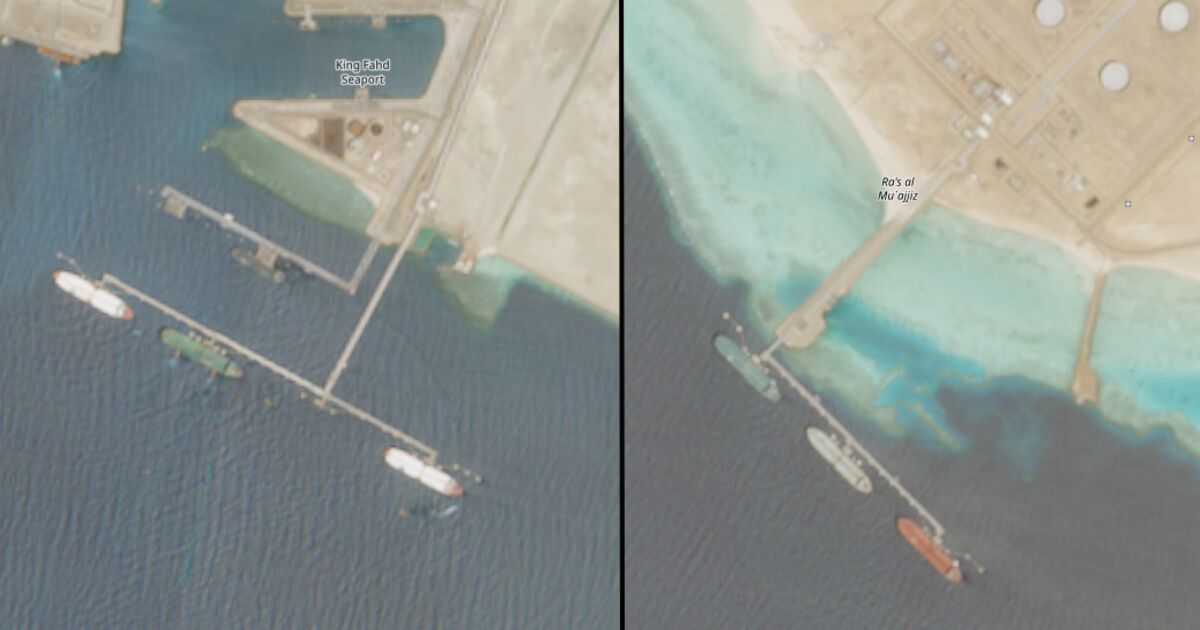
Saudi Arabia has achieved a major boost in crude exports via its Red Sea terminals, yet struggles to maintain target-level stabilization for the Hormuz Oil Bypass route. The initiative aims to diversify export pathways and reduce reliance on Gulf shipping lanes, but inconsistent flow management has hindered full operational efficiency. This delay raises concerns about the long-term viability of the bypass as a critical alternative to traditional routes through the Persian Gulf.
The Red Sea terminals—a cornerstone of Saudi Arabia’s energy diversification strategy—have faced logistical hurdles in synchronizing export volumes with global demand. While the bypass has successfully rerouted portions of crude shipments, unpredictable throughput risks undermining investor confidence and complicating oil market dynamics. Analysts stress that resolving these inefficiencies is vital for the kingdom’s broader economic transformation under Vision 2030.
Hormuz Strait, a historically strategic chokepoint for oil shipments, remains a focal point amid geopolitical tensions. Saudi Arabia’s push to establish the bypass as a reliable alternative seeks to mitigate risks tied to regional instability. However, without steady export flows, the project’s commercial and strategic value could diminish, impacting both global energy security and domestic revenue streams.
This unresolved bottleneck underscores the complexities of modernizing oil infrastructure in an era of shifting trade routes and geopolitical volatility. As Saudi Arabia balances immediate export demands with long-term infrastructure goals, the Hormuz Bypass’s success will hinge on timely operational adjustments and cross-sector coordination.
Source: Bloomberg Markets · Summarized by HeadlinesBriefing