
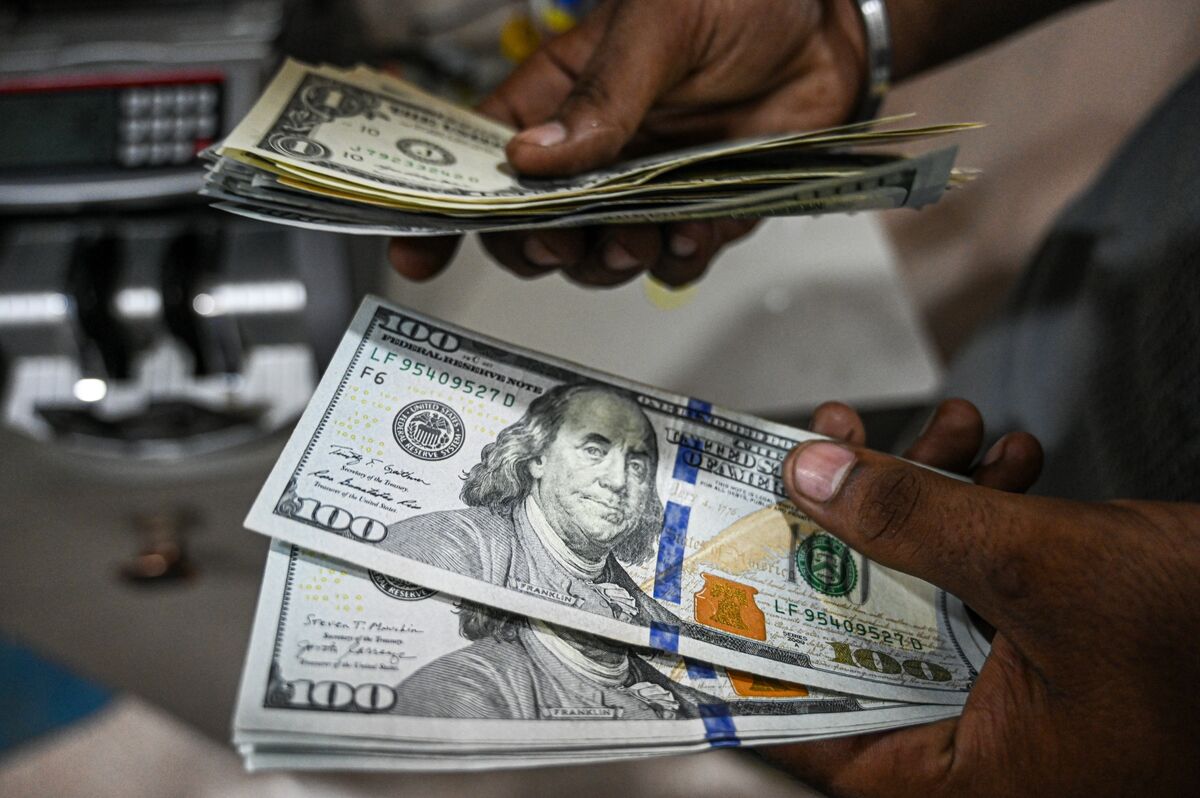
India's currency, the rupee, surged the most in over a decade after the Reserve Bank of India tightened its anti‑speculation clampdown. Traders brace for a Wednesday rate announcement amid a volatile Middle East, where U.S. President Trump has threatened Iranian assets if the Strait of Hormuz stays shut. The move adds pressure on local markets.
Rising hedging costs are eroding international appetite for Indian equities. Foreign investors face higher transaction expenses as the rupee’s volatility spikes, squeezing capital flows. Bond yields hover near two‑year highs, tightening corporate borrowing budgets. The March‑quarter earnings season therefore looks leaner, with earnings growth dampened by tighter credit conditions for global investors today and late.
The RBI’s policy tightening has already pushed the rupee back up, but persistent selling by foreign funds keeps the currency on a sell‑side trend. Market watchers note that higher hedging costs translate into higher implied volatility, which depresses option premiums and makes equity exposure costlier. This dynamic weakens the case for inflows for Indian investors.
With the RBI’s rate decision looming, investors will weigh the trade‑off between higher borrowing costs and a potentially stronger rupee. If hedging expenses stay elevated, foreign capital may retreat further, tightening liquidity and pushing domestic stocks lower. The immediate impact is a sharp squeeze on asset valuations, reinforcing the current bearish bias for global markets.
Source: Bloomberg Markets · Summarized by HeadlinesBriefing