
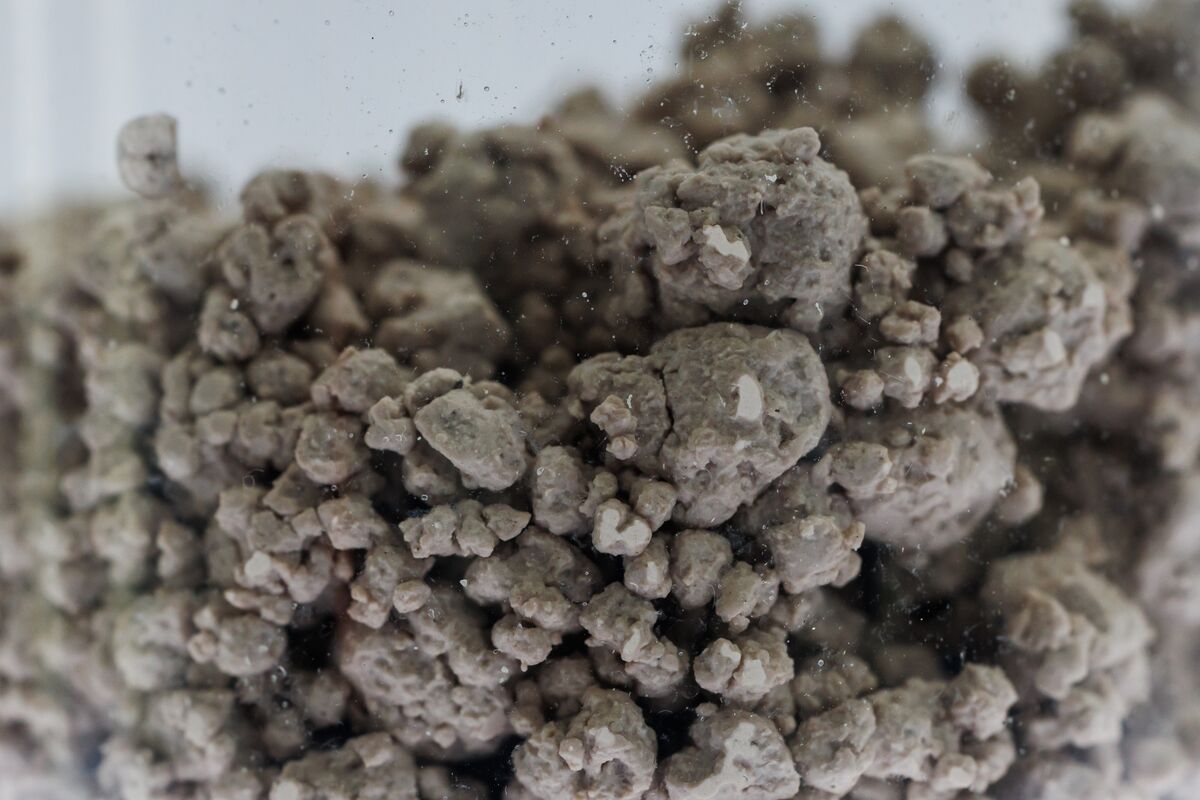
A global rush to secure strategic metals is taking urgency ahead of a possible US-China leaders meeting this month. Rare-earth elements now trade outside China at enormous multiples of their domestic value. Export curbs imposed by China, which dominates the supply chain for critical minerals, are limiting availability used in aerospace, defense, semiconductors and EV magnets.
Manufacturers from the US to Japan feel the squeeze. Washington has urged Beijing to honor trade truce commitments, with US Trade Representative Jamieson Greer emphasizing the need for "concrete actions" on commodities including rare earths. Presidents Donald Trump and Xi Jinping are expected to meet next week at an Asia-Pacific Economic Cooperation gathering in Shenzhen.
Yttrium, used in electronics and turbines, is 125 times more expensive in Europe than in China, where a ton costs about $1.15 million versus just $9,144 domestically. Dysprosium and terbium, essential for high-tech magnets, are 20 times and eight times costlier respectively. Overseas buyers of gallium pay 12 times more.
Before the curbs, global prices were only marginally higher. "I wouldn't really call it a panic, but I think it is something that has been boiling up for the past 18 months," said Chi Hin Ling, head of metals pricing for Asia at Argus. "People are now scrambling a bit for material." President Xi rolled out export controls on rare earths last year, adding to existing curbs on minor metals. Beijing accounts for the lion's share of mining and processing, wielding enormous leverage. Under the truce agreed in October 2025, due to expire in roughly two months, the US secured critical mineral flows.
However, Greer has repeatedly said America isn't getting rare earths at the expected volume and pace. The Trump administration backs domestic mining and non-Chinese supplies including Australia, but alternatives will take years. "Within the next year or two, really there is very limited ex-China supply which is going to be available," said David Merriman, research director at Project Blue. "We're probably sat with quite a significant delta between Chinese domestic pricing and ex-China pricing for at least the next couple of years." Yttrium, one of seven niche metals under Beijing's April 2025 export controls, is critical for semiconductors and provides protective coating on gas-turbine and jet-engine blades. China's yttrium oxide exports are at about two-fifths of 2023-2024 averages.
Almost none has gone to Japan this year, and US shipments are about 70% lower than pre-2025.
Source: Bloomberg Markets · Summarized by HeadlinesBriefing