
Oil declined for a second day — pulling further back from a six-month high — as stepped-up diplomatic efforts strengthened expectations that a broader escalation in the US-Iran war may be averted. Brent dropped below $115 a barrel after losing almost 1% in the previous session, while West Texas Intermediate was near $101. Senior officials from Saudi Arabia, Pakistan and Turkey traveled to Tehran for discussions on Monday, with participants agreeing to more talks, IRIB news agency reported. Elsewhere, Russian President Vladimir Putin is due to meet on Tuesday with his Iranian counterpart, Masoud Pezeshkian, as well as Qatar’s Emir Sheikh Tamim bin Hamad Al Thani, on the sidelines of an energy summit in Moscow. Russia has been a key ally for Tehran during the months-long conflict. Still, risks remain acute even as crude flows have recovered to around prewar levels, while shipping costs are elevated. In Lebanon, Hezbollah is preparing for a new regional war after receiving funds from Iran, Reuters said. The Saudi-led coalition said that it destroyed three drones in Riyadh. That followed clashes involving Tehran-backed Houthi rebels.
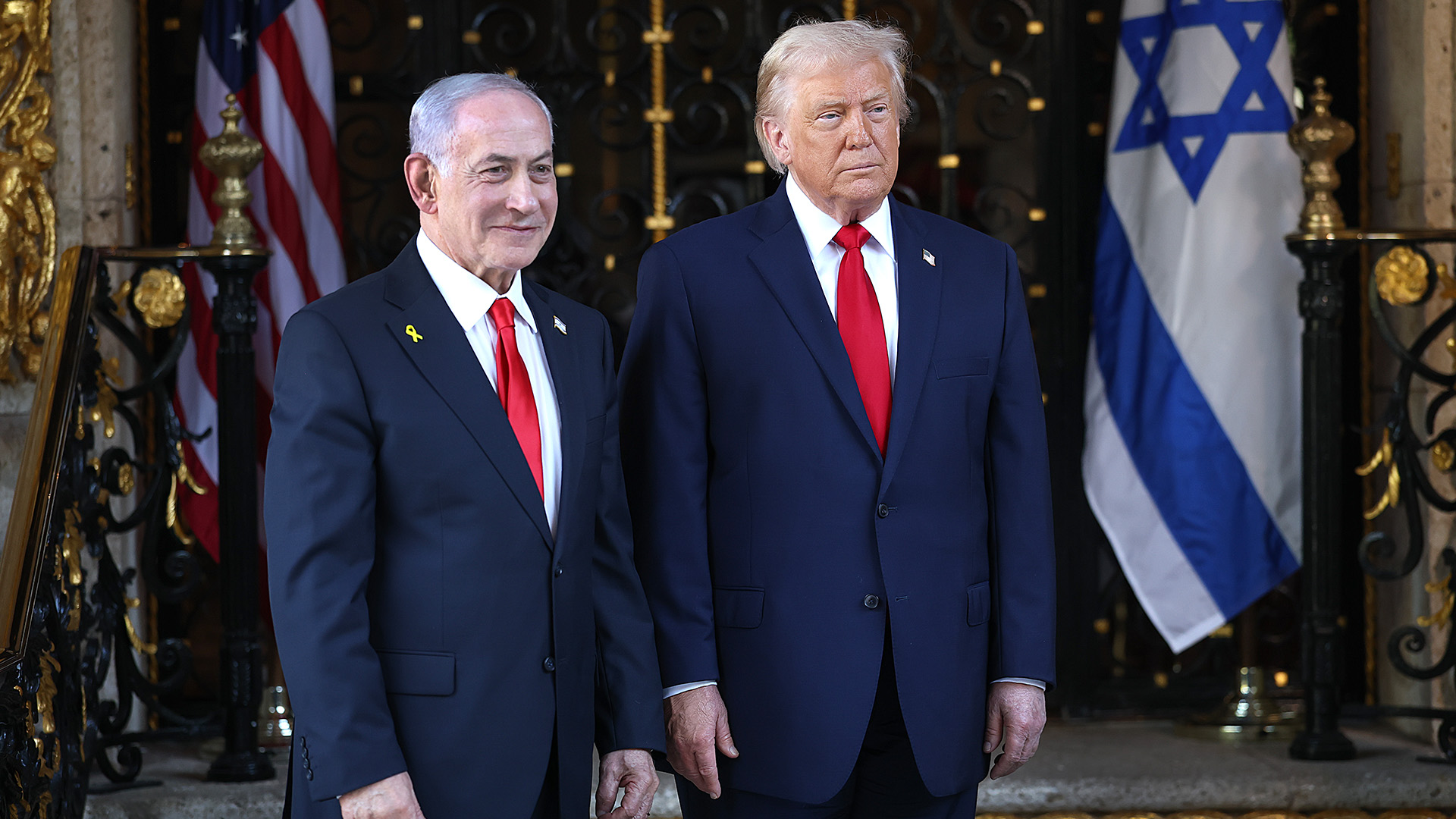
“The market is balancing the bearish signals of a restoration of oil flow from the Middle East and reports of diplomatic Iranian channels remaining open,” said Saul Kavonic, senior energy analyst at MST Marquee. Prices could move substantially either way, depending on whether the conflict escalates, he said. Global benchmark Brent has surged by almost 90% this year, as the US-Iran war disrupted energy flows and drew Yemen’s Houthi rebels into the conflict, with attacks on Saudi Arabia. Investors are bracing for a packed stretch of potential market catalysts, with Israeli elections on Tuesday, a Federal Reserve decision later this week, and the US midterms on Nov. 3. In the Israeli contest, Prime Minister Benjamin Netanyahu is pledging to topple Tehran’s regime, with US President Donald Trump’s backing. His challenger, opposition leader Gadi Eisenkot, says Iran’s nuclear program must be stopped, but he’s added that regime change is “not an achievable goal.” The US midterms offer another potential inflection point, as Trump has suggested that strikes against Iran could resume following the vote. At the weekend, the president told Fox News it was “getting to be decision time” on whether to reach a deal with Tehran or “finish it off.”
For now, Washington’s forces are blockading Iran’s ports to choke off the Islamic Republic’s crude shipments, while assisting flows through the Strait of Hormuz from other Persian Gulf producers. In Monday’s talks, Iran informed Saudi Arabia, Turkey, and Pakistan that it’s flexible on a proposal to reopen the waterway in exchange for the lifting of the US curbs in seven days. Despite the fall in futures, Brent’s prompt spread — the difference between its two closest contracts — remains in steep backwardation, a bullish pattern. On Monday, the gap was near $5 a barrel, up from $3.69 a week ago. “Considering the limited odds of the US striking Iran before the midterm elections on Nov. 3, versus a much greater chance after the elections, I find it rather odd that the backwardation continues to expand,” said Robert Yawger, director of the energy futures division at Mizuho Securities USA LLC, highlighting the expiry of the December contract at the end of the week. The Fed will deliver its policy decision on Wednesday, after tightening last month for the first time since 2023 to tackle still-too-hot inflation. In the run-up, Fed officials suggested they were in no hurry to raise interest rates again, despite gains in energy costs such as diesel.
Source: Bloomberg Markets · Summarized by HeadlinesBriefing