
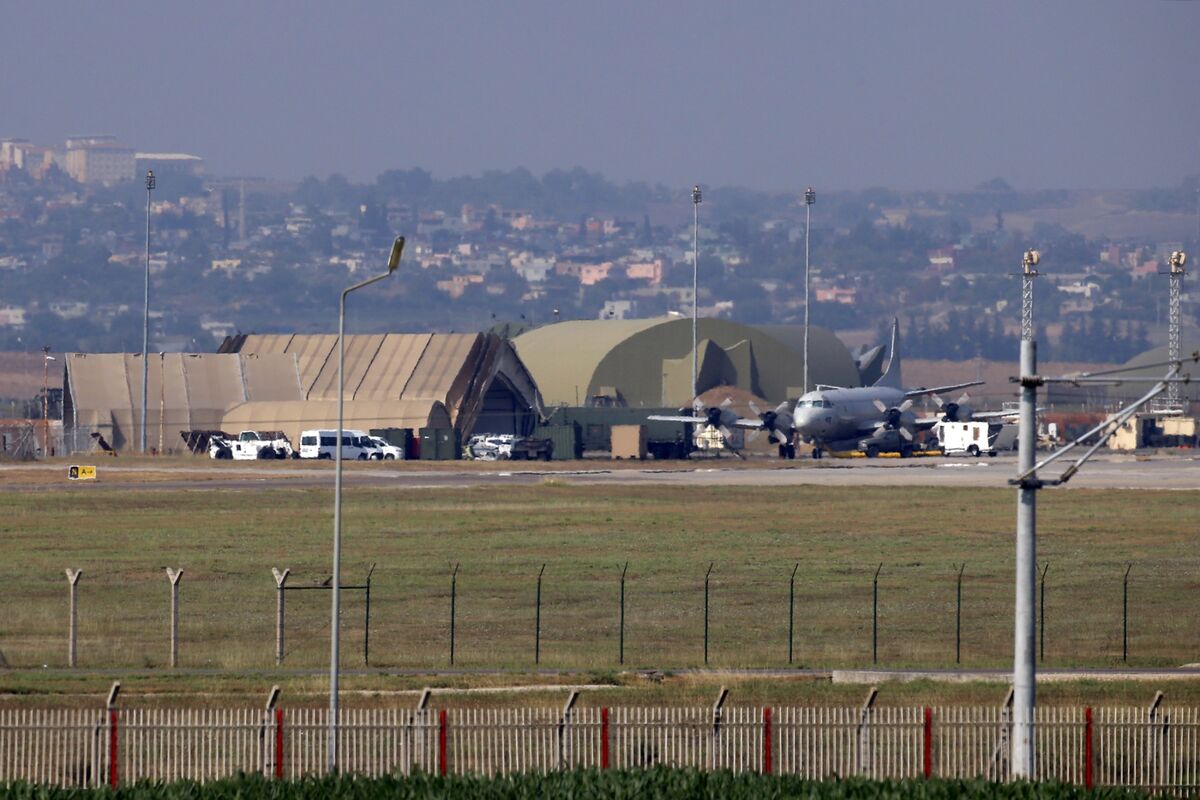
NATO is evaluating enhancements to its ballistic missile defense infrastructure at a Turkey air base to counter potential threats from Iran, according to sources. The move reflects growing concerns over regional instability and Iran’s advancing missile capabilities, which have prompted allies to reassess security postures in the Middle East. While no formal agreements or financial commitments have been disclosed, the discussions underscore NATO’s strategic focus on bolstering deterrence in key ally territories.
Turkey’s geographic position as a bridge between Europe and Asia makes it a critical node in NATO’s missile defense network. Expanding capabilities there could improve monitoring of ballistic missile trajectories and enable faster response times to regional threats. Analysts suggest such upgrades might also signal a broader shift in NATO’s approach to countering asymmetric warfare tactics employed by state actors like Iran, which has historically leveraged proxy groups and missile proliferation to challenge Western interests.
The potential reinforcement of missile defense systems in Turkey could have significant implications for regional security dynamics. If implemented, the initiative might draw increased defense industry investment, as contractors compete to supply advanced interception technologies. However, critics warn that escalating military presence in the area could provoke further tensions with Iran, complicating diplomatic efforts to address nuclear proliferation concerns. The lack of concrete timelines or funding details leaves the plan’s feasibility uncertain.
This development highlights the delicate balance NATO must maintain between reinforcing alliances and avoiding provocation in a volatile region. As Iran continues to strengthen its military arsenal, the alliance’s ability to adapt its defense strategies without destabilizing regional partnerships remains a pressing challenge.
Source: Bloomberg Markets · Summarized by HeadlinesBriefing