
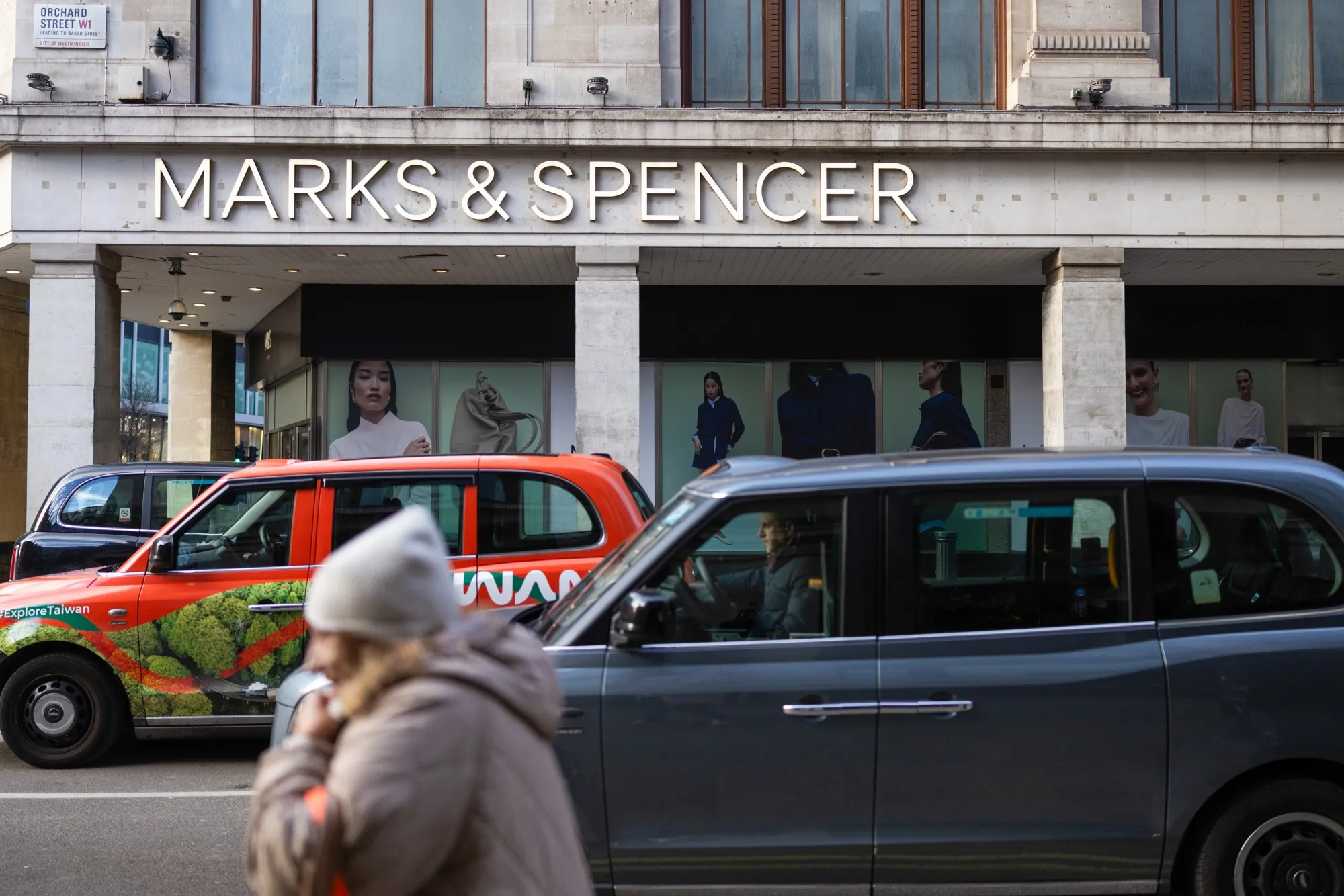
Marks & Spencer's latest results look very strong at first glance, extending the track record of outperformers in the UK retail sector. Food was the standout, as it often is, while the clothing division recovered from a cyberattack that disrupted its online operations last year, a topic that has become increasingly prominent for the country at large.
Even M&S's food business, however, is keeping a close focus on value as consumers worried about the cost of living fuel competition between grocers. Both M&S and rival Next are managing to navigate these emerging consumer pressures, and shares in each are still outpacing the FTSE 100 this year.
Signs of strain for households are emerging. On Tuesday, the CEO of Primark owner AB Foods said consumers are still visiting stores but are "buying less," adding that shoppers "clearly have less money." Last month, Sainsbury's issued a similar warning about cautious consumers coping with higher living costs by being even more conscious of their spending. The signs of weakness come on the eve of a Bank of England decision, where policymakers are expected to hike interest rates, even as most UK economic data has surprised positively.
Meanwhile, the FTSE 100 was caught up in broader European equities weakness, largely because of its mining cohort. A negative shift in AI sentiment harms copper, a key metal for chipmaking and data centres, which in turn weighs on major miners that have pivoted toward copper. Miners make up about 7% of the FTSE 100, so they influence the benchmark. Copper and the index's miners remain up for the year, but doubts about US tariffs are also playing a part.
Source: Bloomberg Markets · Summarized by HeadlinesBriefing