
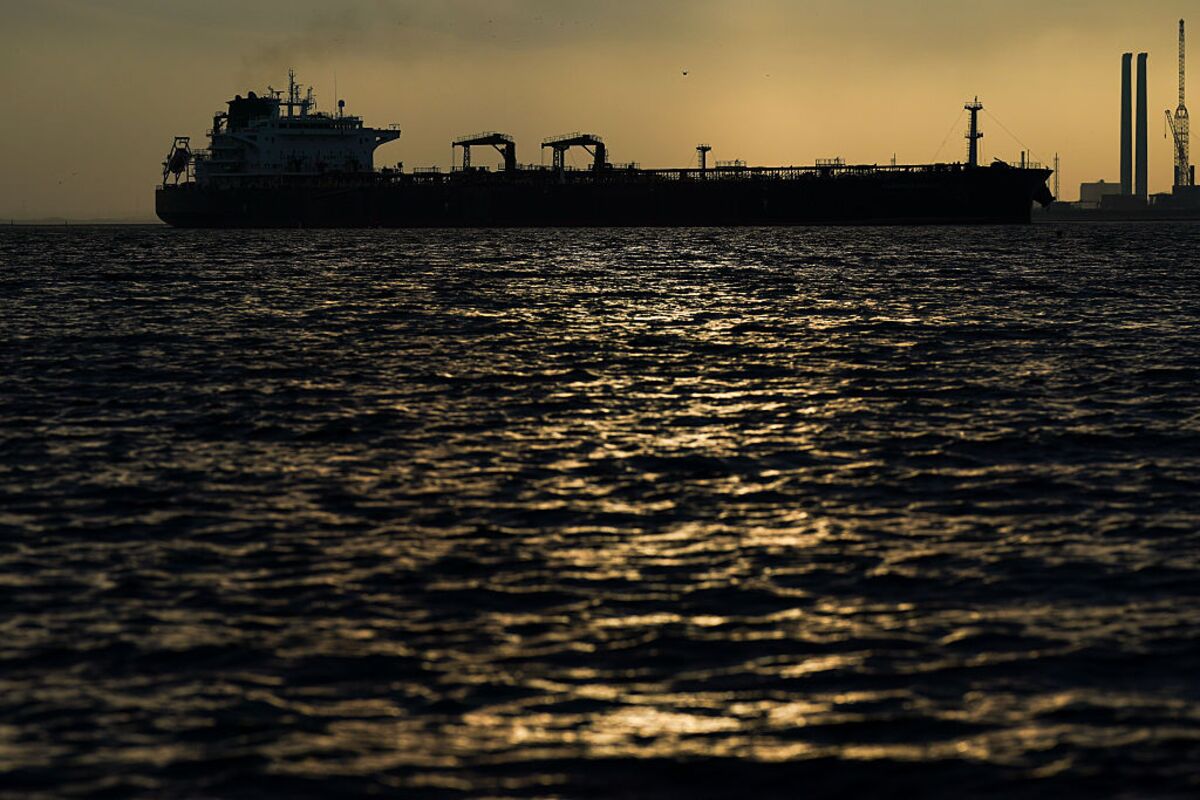
A senior officer aboard an Indian LPG vessel confirmed that Iran granted passage through the strategic Hormuz Strait following negotiations between Tehran and New Delhi. The ship, carrying liquefied natural gas (LNG), received explicit authorization from Iranian authorities to transit the strait—a critical chokepoint for global energy shipments. This development underscores the deepening strategic cooperation between India and Iran, particularly in energy trade, as both nations navigate complex geopolitical dynamics in the region.
The Hormuz Strait, through which 20-30% of the world’s oil passes daily, has long been a flashpoint for tensions between Western powers and Iran. By facilitating the tanker’s transit, Iran signals its willingness to engage in pragmatic diplomacy with India, a key energy partner. Analysts suggest this could ease supply chain uncertainties for Indian importers reliant on Middle Eastern and Asian energy sources. The move may also reflect Iran’s efforts to diversify its LNG export routes amid Western sanctions and regional pressures.
This incident highlights the shifting balance of power in global energy markets. While India seeks to reduce dependence on Russian oil post-Ukraine war, Iran leverages its maritime influence to strengthen ties with New Delhi. The passage of the LPG vessel through Hormuz could set a precedent for similar agreements, potentially reshaping trade corridors in the Indian Ocean. However, experts caution that such gestures remain fragile in an environment marked by U.S.-led sanctions and regional rivalries.
The transit agreement exemplifies how energy security concerns are driving unconventional alliances. For India, securing reliable LNG supplies through Hormuz reduces vulnerability to disruptions in the Strait of Hormuz or Bay of Bengal. For Iran, it demonstrates the strategic value of its naval capabilities in stabilizing regional trade. As both nations navigate sanctions and geopolitical headwinds, this collaboration may herald a new era of Indo-Iranian energy diplomacy—one with tangible implications for global markets.
Source: Bloomberg Markets · Summarized by HeadlinesBriefing