
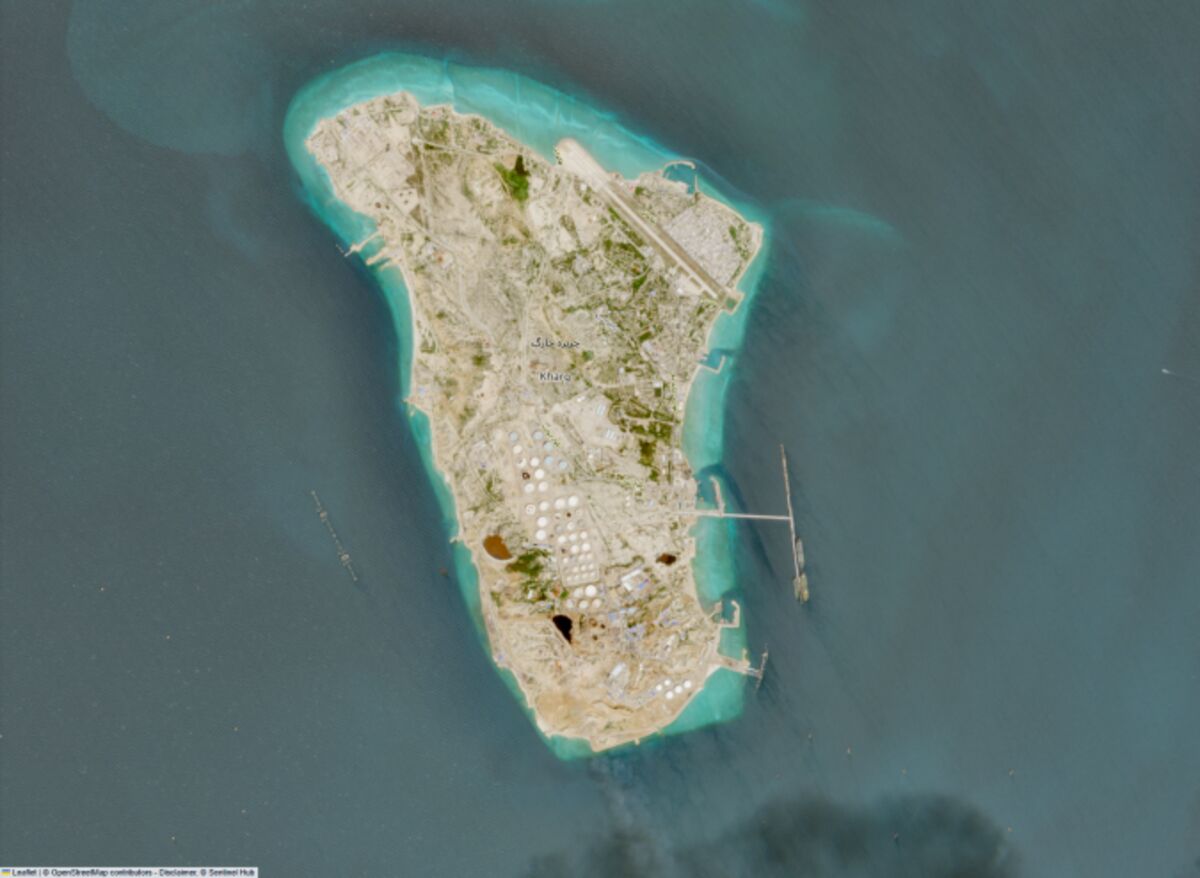
Iran is moving its own crude oil through the Strait of Hormuz at rates comparable to pre-war levels, a move that underscores Tehran's strategic leverage over the critical waterway. Strait of Hormuz transit volumes for Iranian oil remain robust despite international sanctions, while other regional producers struggle to maintain output. This shift allows Iran to maximize revenue from its energy sector during a period of global oil market volatility, potentially influencing prices and supply dynamics. Pre-war rates highlight Tehran's ability to operate despite sanctions, contrasting sharply with faltering output from other Gulf states.
Market implications are significant as Iran's increased Hormuz throughput could offset shortfalls elsewhere, affecting global oil balances. Deal values for Iranian crude shipments may rise if buyers seek alternative sources, though sanctions complicate transactions. Business leaders should monitor how this affects shipping insurance costs and route security perceptions. The Strait of Hormuz remains a geopolitical flashpoint, with Iran's control enabling it to dictate terms for other exporters' access.
Iran's maneuver demonstrates its resilience in maintaining energy exports amid sanctions, directly impacting rival producers like Iraq and Saudi Arabia who face reduced market share. Pre-war rates suggest Iran is capitalizing on current market conditions, potentially stabilizing its economy while creating supply-side pressures elsewhere. This development signals Tehran's continued influence over regional oil flows, with concrete consequences for global energy markets.
Source: Bloomberg Markets · Summarized by HeadlinesBriefing