
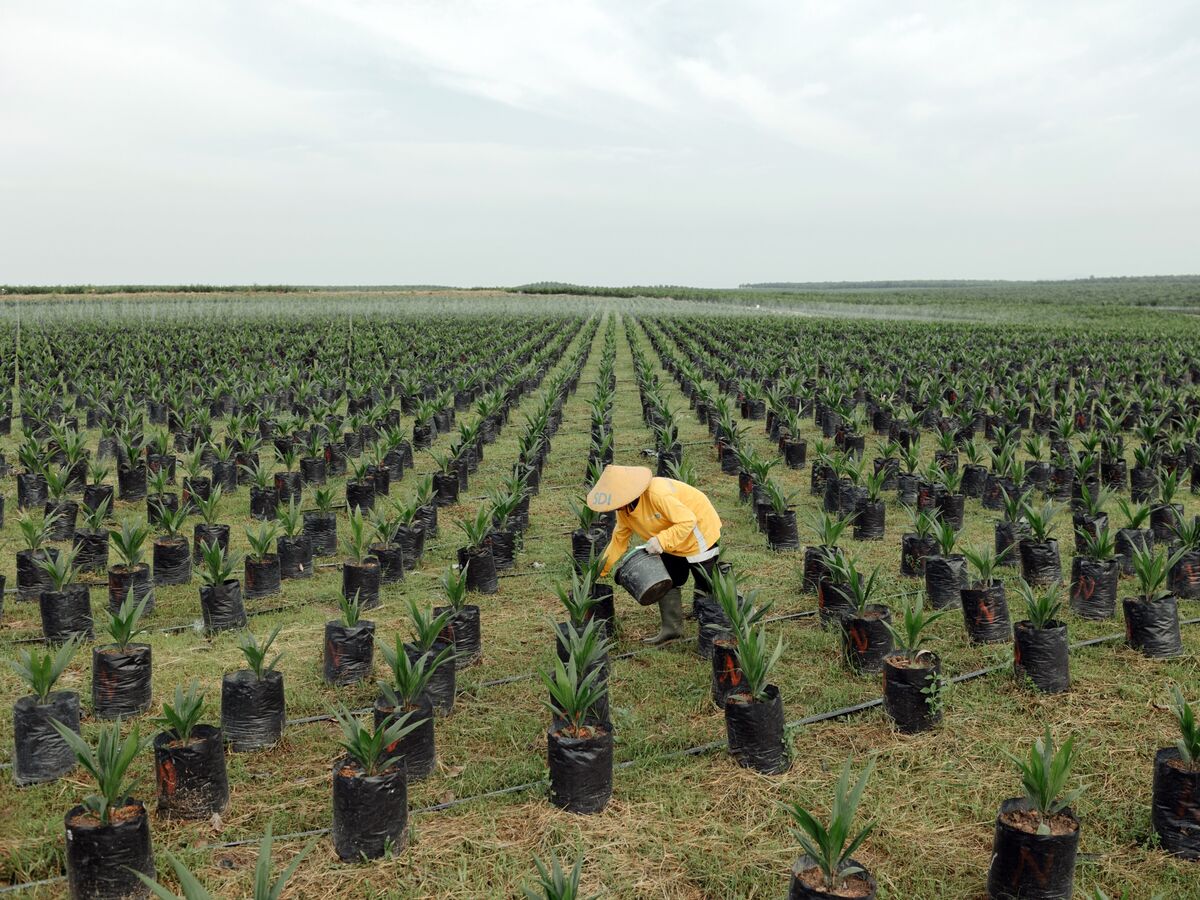
Indonesia has abruptly accelerated its biodiesel blend mandate, targeting a 30% B50 (50% palm oil) mix by 2025, directly responding to global vegetable oil shortages exacerbated by the war in Iran. The move, announced by President Joko Widodo’s administration, aims to reduce reliance on imported fuels but risks destabilizing global edible oil markets already strained by geopolitical tensions. Analysts warn this pivot could trigger a 30-40% price surge for vegetable oils used in food and industry, as palm oil redirects to fuel production.
The B50 mandate replaces a prior 20% palm oil blend requirement, reflecting Indonesia’s strategic shift amid dwindling global supplies. With Iran’s oil exports disrupted, competitors like Malaysia and Thailand are also increasing biofuel targets, creating a perfect storm for agricultural commodity traders. While the policy aims to boost energy security, critics argue it prioritizes short-term fuel needs over long-term food security, as palm oil is a dietary staple for millions.
Market implications are immediate: futures contracts for soybean and sunflower oil surged 12% last week, with refiners scrambling to secure alternative feedstocks. The Indonesian Energy Ministry projects needing 14 million metric tons of additional vegetable oil annually by 2025, a volume that could strain global production capacity. Meanwhile, agricultural exporters in South America and Africa are accelerating planting cycles to meet the sudden demand.
This policy shift underscores how war-driven energy crises are reshaping biofuel strategies worldwide. As Indonesia’s B50 pivot forces market recalibration, investors are eyeing agrochemical and logistics sectors for opportunities, while food manufacturers face rising input costs. The situation highlights the fragility of interconnected energy and agricultural markets in an era of escalating geopolitical risks.
Source: Bloomberg Markets · Summarized by HeadlinesBriefing