
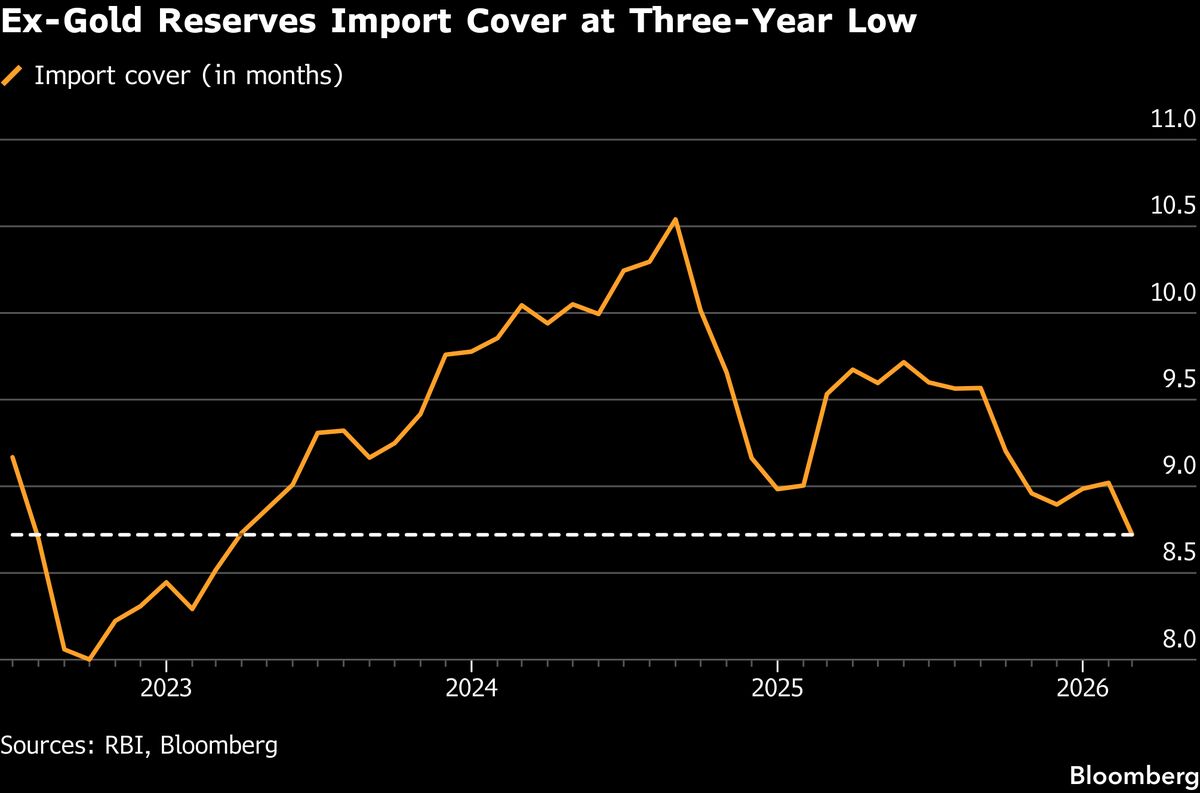
RBI’s defense of the rupee is straining India’s foreign exchange (FX) reserves, with analysts urging a more measured approach to currency intervention. The central bank’s aggressive measures to prop up the rupee have depleted reserves, raising concerns about long-term sustainability. Critics argue that relentless intervention risks exacerbating market volatility rather than stabilizing the currency.
The Reserve Bank’s actions come amid external pressures, including global market turbulence and capital outflows. While the RBI aims to prevent excessive rupee depreciation, its strategy has drawn scrutiny for potentially undermining investor confidence. Some experts warn that over-reliance on defensive tactics could deter foreign investment, as markets may perceive the rupee’s volatility as a sign of policy inconsistency.
Market implications are significant. A weaker FX buffer leaves India vulnerable to sudden reserve outflows, complicating efforts to manage debt servicing and import costs. Businesses reliant on foreign capital may face higher borrowing costs, while exporters could see reduced repatriation revenues. Analysts stress that balancing rupee stability with reserve preservation will require nuanced policy adjustments.
This situation underscores the delicate tightrope India walks in managing its currency. A softer rupee defense might signal openness to market-driven exchange rates, but risks short-term instability. Conversely, continued intervention could strain already thin reserves, forcing policymakers into difficult choices. The outcome will shape India’s economic resilience in an uncertain global landscape.
Source: Bloomberg Markets · Summarized by HeadlinesBriefing