
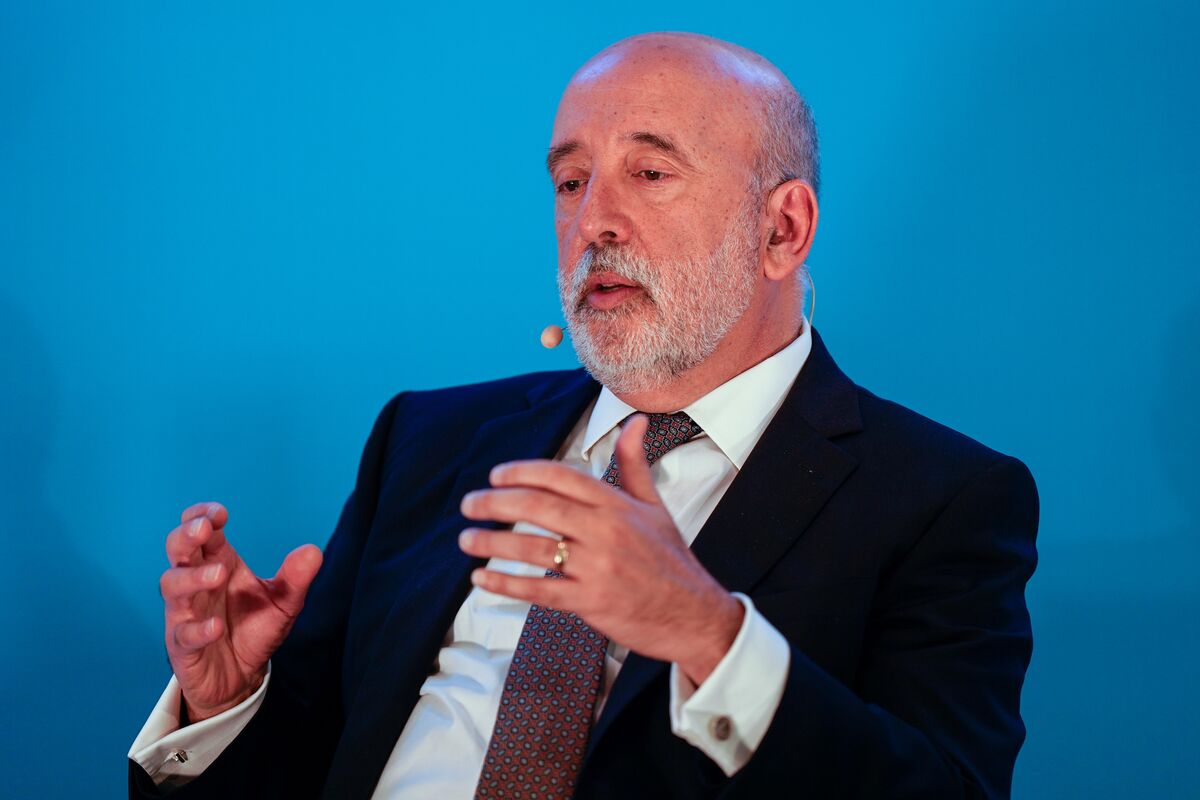
Gabriel Makhlouf, European Central Bank Governing Council member, warned Wednesday that a prolonged Middle East conflict could push the eurozone economy into a worse scenario than previously projected. Inflation risks, currently hovering between baseline and adverse forecasts, are likely to persist if the war drags on, potentially reaching 4.2% late this year. The adverse scenario now appears increasingly probable, with economic contraction expected in the second quarter. Makhlouf emphasized the ECB’s readiness to adapt its monetary policy as data clarifies, stating, “We are not pre-committing to a path.”
The baseline scenario, once seen as a middle-ground forecast, is now viewed by some officials as overly optimistic. Slovenian central bank chief Primoz Dolenc noted that the adverse scenario may become the new benchmark, reflecting heightened uncertainty. This shift follows eurozone inflation surging in March—the highest since Russia’s 2022 invasion of Ukraine—while businesses and governments revise their economic outlooks downward. The ECB’s credibility hinges on balancing vigilance with flexibility amid geopolitical volatility.
Markets are closely watching how the ECB navigates this tightrope. A prolonged conflict could deepen energy price volatility, straining consumer confidence and corporate margins. Policymakers stress that their framework allows real-time adjustments, but the lack of a resolution timeline keeps risks elevated. Investors are weighing whether tighter monetary policy will be necessary to curb inflation without triggering a recession. The situation underscores the fragility of economic stability in an era of intersecting crises.
The key takeaway: Geopolitical tensions are reshaping the eurozone’s economic narrative. While the ECB insists it remains data-driven, the widening gap between baseline and adverse forecasts signals a growing consensus that the worst-case scenario is no longer a distant threat. This could lead to accelerated rate hikes or prolonged tightening, with ripple effects across global financial markets. Policymakers’ ability to communicate clearly will be critical in managing investor expectations and mitigating volatility.
Source: Bloomberg Markets · Summarized by HeadlinesBriefing