
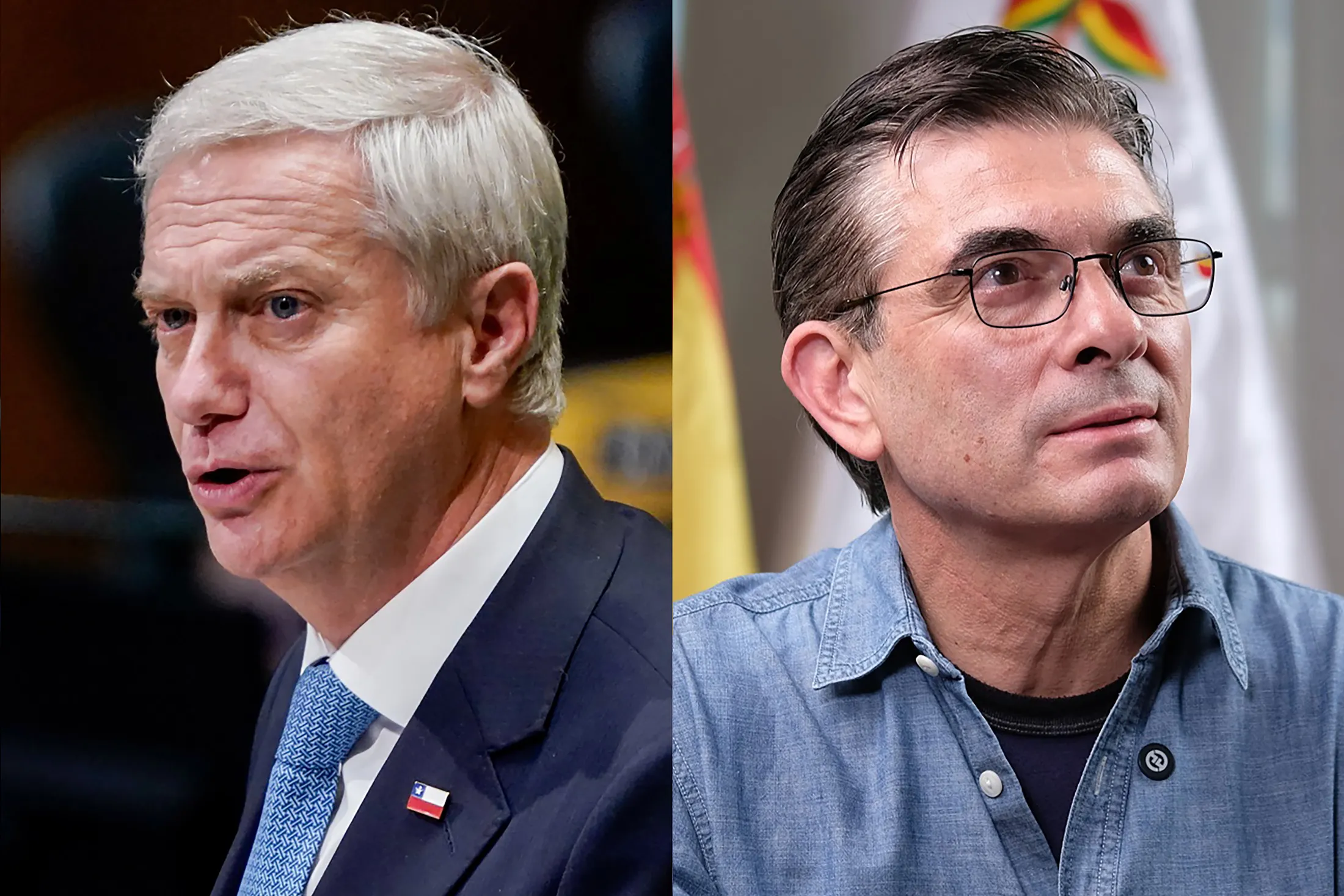
Chile’s President José Antonio Kast will meet his Bolivian counterpart Rodrigo Paz in a rare state visit to La Paz on Friday, illustrating how South America’s new right-wing alignment is opening the way for a diplomatic thaw and economic integration between two historic foes. The two leaders are expected to discuss new logistical corridors, energy trade and enhanced border security. Bolivia severed diplomatic relations with Chile in 1978 after talks over its longstanding claim to sovereign access to the Pacific coast collapsed. The landlocked country, which emerged from two decades of socialist rule last year, lost its coastline to Chile in a 19th-century war. The last formal state visit by a Chilean leader to Bolivia took place more than seven decades ago. Despite the lack of formal relations, Chile and Bolivia have maintained technical-level coordination for years in areas such as immigration and commerce. Bolivia uses northern Chilean ports for imports and exports. And during their tenures, Chile’s former presidents Gabriel Boric and Michelle Bachelet visited the neighboring country. Paz and Kast are aligned with US President Donald Trump’s administration and have joined the “Shield of the Americas,” a broad regional security initiative coined by the White House. Kast’s delegation to Bolivia includes Energy Minister Ximena Rincón, who is expected to sign an agreement on energy integration. Bolivia, once a significant natural gas exporter to Brazil and Argentina, is now grappling with declining production and fuel supplies.
“The idea is to strengthen all aspects of trade ties, with Oruro and Potosí essentially providing gateways for goods entering and leaving the country,” Paz told local media in late September, referring to Bolivia’s two border departments with Chile. Paz said Tuesday he had offered Kast access to the Paraguay-Paraná waterway that connects Brazil, Paraguay, Argentina and Uruguay with the Atlantic Ocean. The rapprochement marks a dramatic turnaround for Bolivia, where the legacy territorial claim has long animated political discourse. Under longtime former president and socialist firebrand Evo Morales, Bolivia sought to force Chile to negotiate sovereign access to the Pacific at the International Court of Justice, a case it lost in 2018.
Flare-ups persist. In June, Chile announced the “largest drug seizure” in its history after detecting what investigators said were more than 1,000 tons of Bolivian timber allegedly laced with illicit drugs. Bolivian business groups questioned Chile’s handling of the investigation, raising concerns about evidence collection and calling for greater transparency. The two administrations sought to keep the ongoing dispute from souring the mood ahead of Kast’s trip, with economically struggling Bolivia standing to gain much more from the reset than Chile. In a meeting in Santiago last week, Chile’s Foreign Affairs Minister Francisco Pérez Mackenna and his Bolivian counterpart Héctor Huanca Gutiérrez pledged to boost cooperation against drug trafficking and organized crime, including coordination to trace cargo without disrupting legitimate trade or Bolivia’s right to free transit. Another source of friction is contraband. During his presidential campaign last year, Paz sparked controversy in Chile by proposing to legalize undocumented vehicles in Bolivia, many of which are believed to have been stolen across the porous border.
“We need to build trust on both sides,” said Bolivia’s Vice Minister for Foreign Trade Rodrigo Arce. “The timber case set us back a few steps, but the arrival of a Chilean president in Bolivia after more than 70 years moves us forward.”
Source: Bloomberg Markets · Summarized by HeadlinesBriefing