
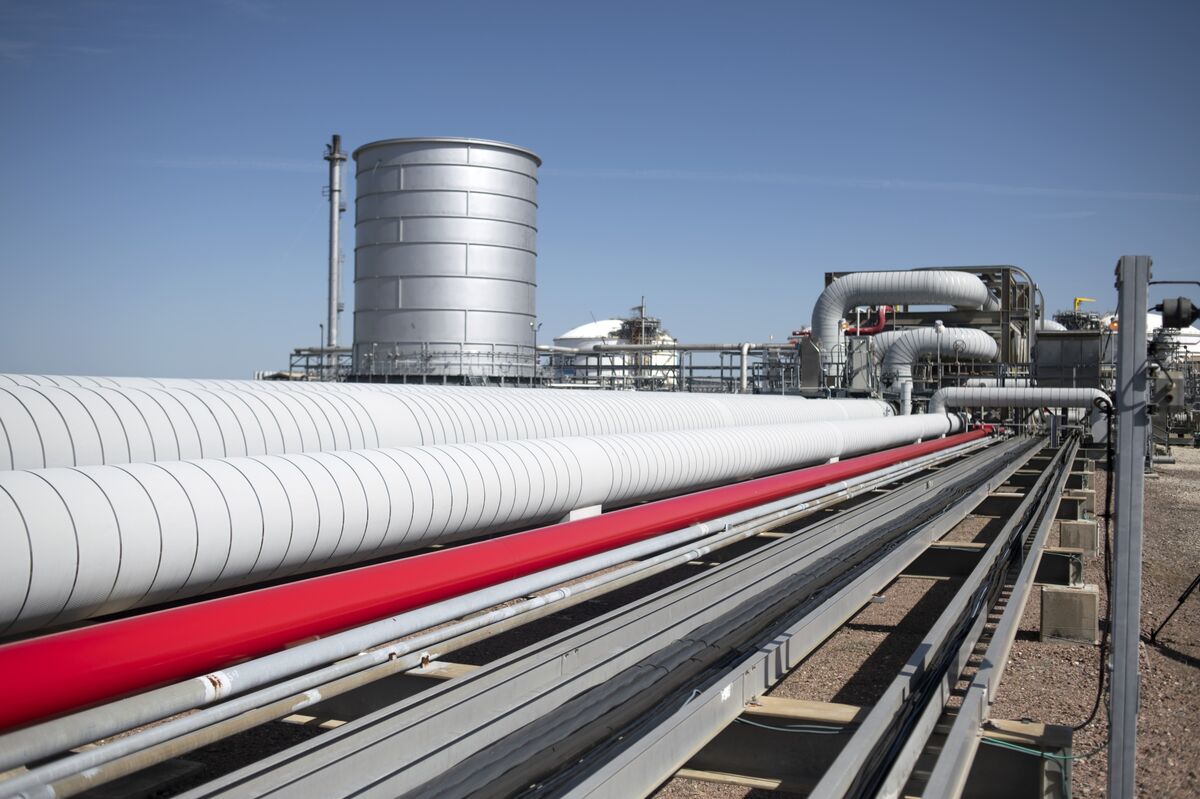
Cheniere Energy Inc. suffered a $3.5 billion loss as derivatives tied to natural gas markets collapsed due to the Iran war, triggering a 10% stock plunge. The energy giant’s unexpected financial blow stems from hedging strategies that backfired as geopolitical tensions disrupted supply chains. This isn’t just a numbers game—it reflects how volatile markets can erode even well-calibrated risk management. The loss underscores the fragility of derivative exposure in energy, where sudden shifts in demand or supply can trigger outsized costs. Investors now question whether Cheniere’s reliance on complex financial instruments aligns with its long-term stability in an already fractured sector.
The Iran war has upended natural gas pricing globally, creating a perfect storm for Cheniere’s losses. The company’s hedges, designed to lock in prices, instead became liabilities as prices swung wildly. This isn’t isolated to Cheniere; smaller energy firms face similar risks as markets react to sanctions, shipping disruptions, and fluctuating production. The broader implication is a warning for investors: energy derivatives, while useful for hedging, require constant recalibration in times of geopolitical chaos. Analysts note that Cheniere’s 2023 strategy might need a complete overhaul if such volatility becomes routine. The firm’s ability to recover will depend on its pivot toward more transparent or conservative financial tools.
Cheniere’s collapse highlights a systemic issue in energy investing: overreliance on derivatives can amplify losses during crises. With global energy markets already strained by OPEC+ policies and U.S. production shifts, this event serves as a case study in risk mismanagement. The $3.5 billion figure isn’t just a red flag—it’s a signal that companies must reassess how they navigate derivative markets. For Cheniere, the immediate concern is stabilizing its financials, but the long-term challenge lies in rebuilding trust with stakeholders. Competitors may seize this moment to position themselves as safer bets, especially those with simpler, less leveraged approaches. This loss could also trigger regulatory scrutiny, as authorities push for clearer disclosures on derivative risks. Ultimately, Cheniere’s survival hinges on its ability to adapt—either by reducing derivative exposure or securing more resilient hedging mechanisms amid an unpredictable geopolitical landscape.
Source: Bloomberg Markets · Summarized by HeadlinesBriefing